
“You’re Totally Fucked” — A Threat Echoes in the Digital Night
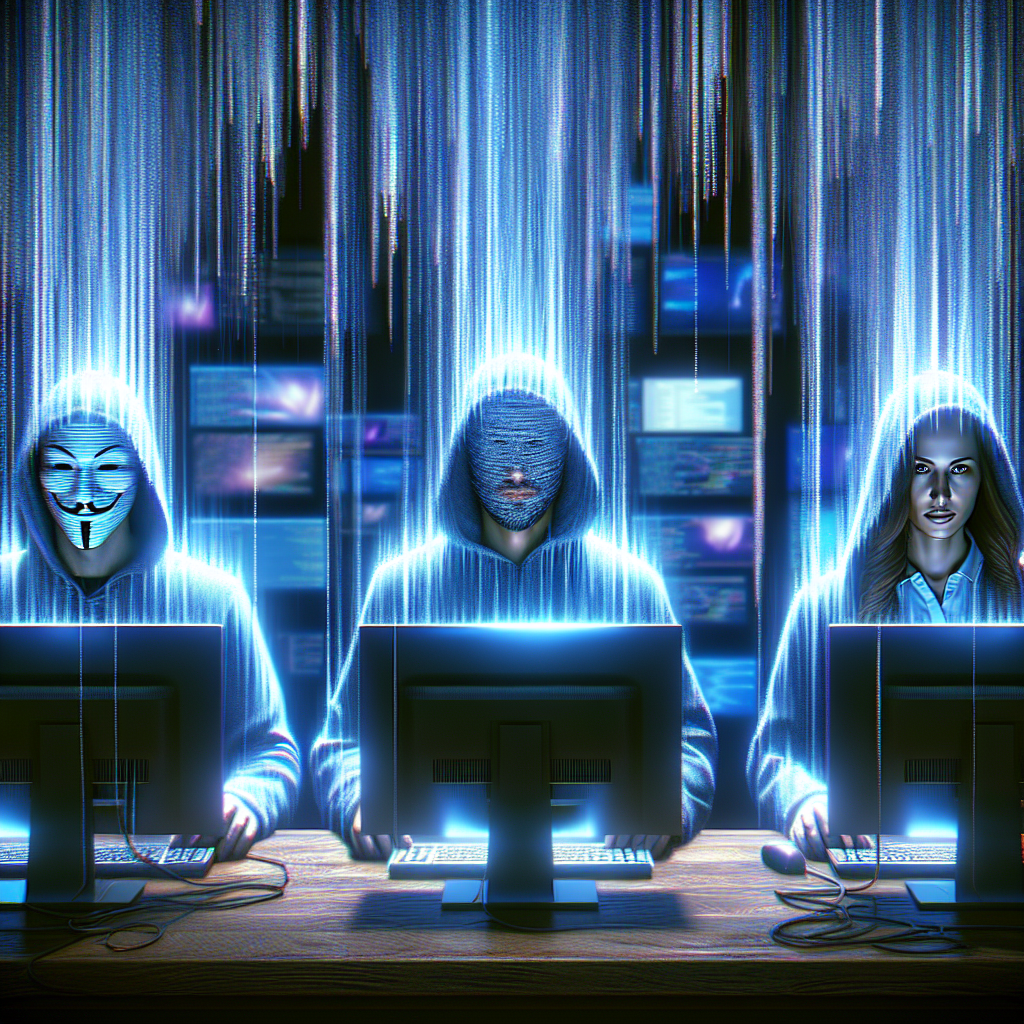
Imagine a dim-lit room where the only glow is from a computer screen. Three Reddit moderators, known only by pseudonyms—Frogan, Kaceytron, Denims—refresh their browsers, waiting. In the haze of digital anonymity, a new kind of fear is pulsing through their veins—not from trolls, but from a subpoena bearing the name Ethan Klein[1].
To many, Klein is YouTube’s veteran provocateur, a creative who once defended reaction videos as fair use. Today, he sits on the other side of the courtroom aisle, wielding copyright law like a hammer, intent on unmasking those he says have harmed his reputation and his intellectual property[2].
The Disputed Line: From Reaction Video to Watch Party
What started the fire? At the crux is Klein’s viral “Content Nuke: Hasan Piker” video—a piece devoured in near-entirety by three Twitch streamers, replayed with little more than blank stares, vaping, and off-camera bathroom breaks. While Klein once championed the chaotic energy of reaction videos, he now claims these are “lazy” and profit from his creation without adding real commentary[2].
But the target of his ire isn’t just ambiguous streamers—it’s the anonymous moderators of r/h3snark, the Reddit hub where links to these streams congregated. Klein alleges these mods created a “megathread” specifically to redirect viewers to what he frames as copyright infringement on a viral scale, turning a subculture into an “underground rebroadcast network”[1][2].
Why This Tech Lawsuit Matters—To All of Us
This case is a litmus test for the digital era: When does online commentary become illegal copying? And who bears the risk—the creator fighting to protect their work or the fans and critics who dissect it?[2]
For millions, Reddit isn’t just a website. It’s the last digital clearinghouse for pseudonymous speech—a public square where the stakes aren’t just legal, but profoundly personal. The real fight here? Whether the right to criticize, moderate, and remain anonymous survives when power, money, and legal firepower enter the fray[1].
Attack Vector: How One Subpoena Could Change Internet Anonymity
On July 31, Klein’s lawyers filed to subpoena Reddit and Discord, demanding the real identities behind r/h3snark and a related Discord server[1]. Subpoenas—court orders for information—can pierce online anonymity, revealing IP addresses, login details, and, in effect, shattering digital façades built to ward off real-world hate, harassment, and worse.
Reddit’s legal team fought back, arguing that Klein’s case extends far beyond simple copyright infringement. “At its heart… the Action is about stifling criticism and seeking retribution by unmasking individuals for perceived reputational harms,” reads the motion to quash. The mods’ lawyers argue that disclosure of their identities could expose them and their families to targeted harassment, stalking, or even violence[1].
The court must now weigh two opposing freedoms: a creator’s right to defend intellectual property and a citizen’s right to a safe, anonymous voice.
The Human Cost: Behind the Screen, Real Lives
Step into the shoes of “Sam”—a composite of the mods. She’s a cybersecurity analyst by day, a Reddit moderator by night. Her hands tremble as she considers: If Klein’s subpoena succeeds, her alias is gone. She fears repercussions not just for herself, but for her family—parents who don’t understand meme culture, a sister applying for college, a partner vulnerable to online bigotry. The threat isn’t abstract. The court filing references mods worrying about everything from ruined reputations to physical danger, especially those with marginalized identities[1].
Sam stares at her screen, wondering: Was running a snark subreddit worth risking everything?
Industry and Community Reaction: Shockwaves Ripple Out
Creators and fans are fierce in their opinions. Some cheer Klein’s stance—believing his fight draws a hard line against freeloaders who strip value from original work. Others, including high-profile streamer HasanAbi, accuse him of legal “bullying,” worrying that one lawsuit could chill all online discussion and fair-use commentary[2].
Experts weigh in. “Unmasking could set a dangerous precedent for doxxing, and could make social platforms a minefield for mods and critics alike,” says Dr. Marcia Liu, an internet law professor. Digital rights advocates warn of a domino effect: If Klein wins, public figures might use similar tactics to silence their harshest internet critics.
The Fallout—and What Happens Next
Courts are now the arbiters of digital transformation. The legal system must decide: Is a “reaction stream” transformative art or lazy piracy? Are subreddit mods secondary infringers or simply digital town criers? Klein’s suit is more than personal. It’s a watershed moment for copyright, moderation, and anonymity online[2].
The r/h3snark mods are fighting back—to remain anonymous, to keep the internet weird and critical and safe for outcasts, skeptics, and meme-makers. Yet every outcome carries risk: for Klein, for the mods, for millions who navigate the blurry boundaries between speech and theft every day.
What’s Next: Could It Happen Again?
The trial’s outcome will shape not only this subreddit but the wider architecture of internet freedom and accountability. Tech platforms, digital creators, and governments are watching. Subpoenas like Klein’s could become a new tool for public figures facing criticism—or, if quashed, a shield for those who keep power in check from behind a screen[1].
Will tomorrow’s Reddit be a sanctuary of honest critique or a digital panopticon where the powerful can lift the veil on their critics at will?
How would you feel knowing your online identity could be exposed in a heated copyright dispute? Could you moderate, speak up, or dissent as freely?
FAQ
-
What is Ethan Klein’s lawsuit against Reddit mods about?
Ethan Klein sued Reddit moderators to unmask their identities, alleging they enabled copyright infringement by sharing links to streams that rebroadcast his content with minimal commentary[1][2]. -
How does copyright law apply to reaction videos?
While courts have sometimes ruled reaction videos are protected as “fair use” if they add significant commentary, Klein’s case argues these streams were essentially lazy rebroadcasts, failing that test[2]. -
Why do Reddit mods want to stay anonymous?
Mods fear harassment, professional consequences, and physical harm if their real names are revealed—a risk the court filings detail extensively[1]. -
What could this case mean for internet anonymity?
If Klein’s subpoena is allowed, it could set a precedent for courts forcing tech companies to reveal anonymous users accused of copyright infringement or harsh criticism. -
How is the streaming and creator community reacting?
The community is deeply divided—some say Klein is protecting creators, while others fear a chilling effect on fair use and open online critique[2].