
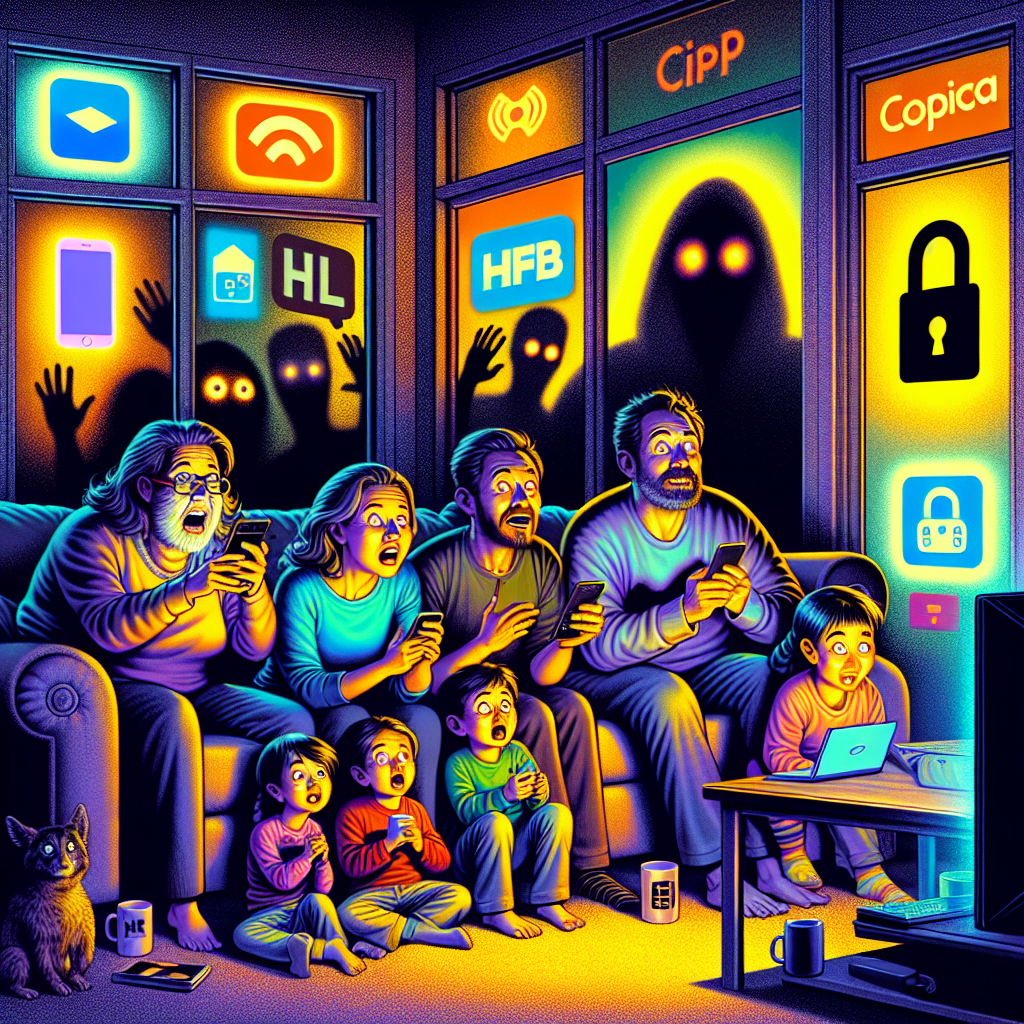
Scene One: The Update That Changed Everything
It started like any other Tuesday—a quick software update on Jane’s trusty smartphone. But overnight, the phone she’d chosen, customized, and cherished began behaving differently, stubbornly pushing new features Jane never asked for and disabling ones she actually used. “Was this my phone anymore?” she wondered.
Just like that, millions face a revelation hiding in plain sight: Our devices, for all their personal touches, seem more loyal to their corporate creators than to us.
The Digital Handcuffs: How Big Tech Locks Us In
Androids, iPhones, laptops, even smart fridges—these devices promise freedom, creativity, and connectivity. But dig deeper, and a tension emerges: increasing software restrictions, endless updates you can’t refuse, and features vanishing at the tap of a button.
Industry analysts call it the “walled garden” effect. This means companies like Apple or Google build high walls around their devices, deciding who gets in—and who doesn’t. Sometimes this is for security; often, it’s simply about control.
“The more dependent your life becomes on their platform,” explains digital rights expert Dr. Alex Lowe, “the easier it is for them to shape your choices—and shut out the competition.”
Under the Hood: How This Happens
So, what changed? In the past, consumers owned their gadgets—fully. Now, updates are increasingly automatic. You can’t always say ‘no’ or roll things back. Apps get removed or altered at Big Tech’s say-so. Even hardware features, like microphones or ports, can be quietly disabled or rendered useless with a single update.
Imagine waking up to find your car only drives on roads approved by the manufacturer. That’s what’s happening in tech—just quietly, and at massive scale.
The Human Cost: A Family’s Digital Disempowerment
Let’s step into the living room of the fictional Alvarez family. Their son struggles with a learning app that suddenly requires a paid subscription his parents never agreed to. Their smart TV, updated overnight, loses support for their favorite streaming service. Even their smart door lock updates, forcing a new proprietary app that won’t run on their older phones. Every room, every device, now dances to someone else’s tune.
“We felt hostage,” Mrs. Alvarez remembers. “We bought these things—they were ours. But it started to feel like we were just renting them from the companies.”
Pushback, Lawsuits, and a Growing Outcry
This creeping loss of control hasn’t gone unnoticed. In Europe, regulators have passed “Right to Repair” laws demanding manufacturers let consumers actually fix their own devices, instead of bricking them with updates. In the U.S., several high-profile lawsuits target tech giants for weaponizing software updates—altering products after sale or subtly steering users toward in-house services.
Johannes Knudsen, a policy analyst at the Digital Democracy Institute, puts it bluntly: “Each forced update is a reminder that owners are not in control. We’re nearing a tipping point where public trust is on the line.”
Why Should We Even Care?
Skeptics may ask, “So what? What’s wrong with automatic updates and central control?” The answer goes beyond mere inconvenience. Devices we rely on for work, school, and even access to emergency services can change overnight—without our input.
Security matters, absolutely. But security can become an excuse for sweeping away our choices. The fundamental question is: Should the tools we buy serve us, or the interests of faraway corporations?
What’s Next: The Road to Digital Sovereignty
Governments worldwide are waking up. Australia’s Digital Devices Bill proposes strict notice and opt-out provisions for major device updates. Consumer groups are teaching people how to “jailbreak” (unlock) their gadgets—risking their warranties for the promise of control.
Tech giants, meanwhile, insist these structures protect users and simplify support. Apple’s recent statement: “We make these choices to deliver security and the best possible experience.”
But the debate is far from settled.
Could It Happen Again?
It’s not a question of “if,” but “how.” Until transparency, user choice, and open standards are prioritized, the devices in our pockets and homes may always answer to someone else.
So—do our devices really belong to us, or have we handed the keys to Big Tech? And what would it take to get control back?
FAQ
Who truly owns your device—the buyer or the manufacturer?
Legally, you may own the hardware, but software licenses and update controls mean manufacturers retain surprising power.
What does “walled garden” mean in technology?
A “walled garden” is a closed system where companies control what apps, services, or features are available.
Why are forced updates controversial?
They can remove features, push unwanted changes, or even break compatibility—often without the owner’s consent.
How do “Right to Repair” laws help consumers?
They force companies to let people repair or modify their own devices, returning a measure of control to owners.
Can I really jailbreak my device?
Yes, but it carries risks—like voiding warranties or exposing your device to security threats.