
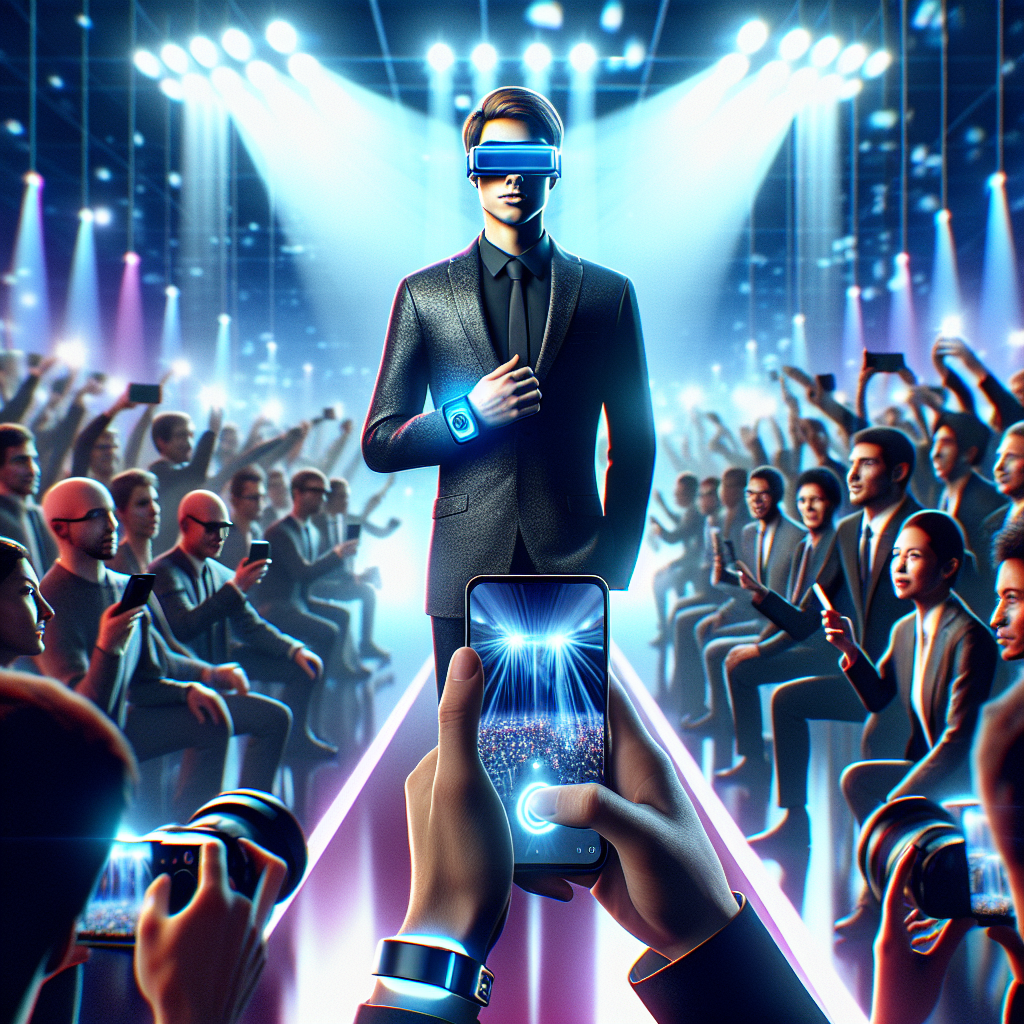
The spotlights in Menlo Park seemed brighter than ever. That September morning, the world’s biggest tech minds pressed shoulder to shoulder, eyes fixed on the stage — where Mark Zuckerberg, with a single confident gesture, lifted a tiny, unassuming object: the Meta Ray-Ban Display smart glasses, paired with the world’s first mainstream neural wristband. Within minutes, a live demo would ignite both awe and disbelief across social feeds. But behind the scenes, a storm was brewing — and not just inside Meta’s campus.
The Dazzling Debut — And the Moment Everything Changed
It was Meta Connect 2025, where the company unveiled its boldest vision yet: glasses that project AI-powered data right into your sightlines, and a wristband that translates nerve signals from your arm into digital actions[1][2][3]. The crowd gasped as Zuckerberg appeared to send messages with a flick of his hand[4]. Demos zipped from live language translation (imagine subtitles for every conversation) to remembering where you parked your car — all done, theoretically, without a phone.
But mid-demo, glitches crept in. A message failed to send. The neural band all-but-froze. A hush fell, then nervous laughter, as developers scrambled to reboot. It was the sort of raw, unpredictable moment that made headlines — and revealed just how risky this frontier is[1].
Why These Smart Glasses Matter to Us All
Step back from the hype, and a question towers over Silicon Valley: why do smart glasses matter? For Meta, the answer is existential. The goal: replace phones, merge the digital and the real, set the standard for human-AI interaction. This is “extended reality,” or XR — technology that overlays digital data onto everyday life, blending screens with the world around us[2][3]. If successful, these glasses could render countless screens obsolete and rewire daily habits for billions.
But there’s more than utility. For social workers helping the elderly, these glasses might keep track of medication reminders or deliver instant emergency help. For families, the neural wristband could let a parent quietly text while pushing a stroller. For businesses, real-time translation opens new markets. In short, it’s a radical leap toward normalization of wearable, invisible computing.
How Do They Work — and Why Did Things Go Wrong?
Here’s the magic, stripped of buzzwords: The Ray-Ban Display doesn’t just bring style. It uses a tiny screen inside each lens, powered by Meta AI, to show notifications, navigation, and more right inside your field of view[2][4]. The real game-changer, though, is the neural wristband. It’s a strip packed with sensors, reading the electric signals (EMG, or electromyography) your brain fires to move your fingers. Those signals are translated into commands — “type” a message with a twitch; change your playlist with a gesture[3][4].
But demos went famously sideways. Engineers blame the complexity of EMG pickup: muscle signals vary from person to person, and interference from sweat, movement, or anxious crowds can kick calibration off[1]. Software analysts suggest the AI’s edge processing — handling all that data live, right on the glasses — may have tripped over unforeseen bugs. Yet, as tech historian Dr. Jamie Lin told WIRED: “Every paradigm shift starts chaotic. Remember the iPhone’s first demo? This is the birth pangs of true spatial computing.”
One Day in the Life — Smart Glasses at Home
Imagine Ella, a young mother in Barcelona, rushing through another busy morning. She slips on her Meta Ray-Bans. The display glitters: “Milk, butter, baby formula.” Her wristband hums as she twitches her pinkie to send a voice note — no phone needed. At the park, her friend speaks Mandarin; subtitles scroll in her vision. Later, when her toddler disappears behind a slide, a flashing arrow instantly shows where to look. For Ella, it’s not just tech: it’s peace of mind.
Reactions — From Government Scrutiny to Industry Frenzy
Industry insiders declared Meta’s demo “the opening shot of a new tech arms race.” Apple, Google, even Samsung convened emergency product meetings. But the boldest responses came from governments. EU digital ministers demanded transparency: “How will citizens protect their thoughts?” US Congress issued hearings on AI glasses’ privacy risks. Some cities banned live demos, citing surveillance fears.
Civil society was divided. Privacy advocates staged protests, while accessibility groups celebrated possibilities for the disabled. Even teachers weighed in, debating classroom policy on wearable tech.
What’s Next — Could It Happen Again?
As the dust settled, companies doubled down. Meta pushed updates, promised a “fail-proof” neural band for its retail launch. Regulators called for “AI in the public interest.” Analysts suggested mainstream adoption is still years away — but each demo plants memories in investors’ minds.
So the question is: As smart glasses inch closer to reading not just gestures, but intent, who holds the line between possibility and privacy?
Would you trust glasses to read your thoughts — or is the future of wearable tech too close for comfort?
FAQ
What makes Meta Ray-Ban Display glasses different from other smart glasses?
Meta Ray-Ban Display glasses use in-lens displays powered by advanced Meta AI, and their companion neural wristband lets wearers control apps or messages with subtle muscle movements[2][4].
How does the neural wristband work with smart glasses?
The neural wristband employs EMG (electromyography) sensors — it reads your nervous system’s tiny electric signals, then converts them into digital commands to interact with your glasses hands-free[3][4].
Are Meta’s smart glasses safe for everyday use?
Meta says the glasses are designed with consumer privacy in mind, but watchdog groups and governments are raising concerns about data collection and potential misuse.
When will Meta’s new smart glasses be available?
The Meta Ray-Ban Display glasses and neural wristband are part of the fall 2025 Meta glasses line, available in stores starting September 30, 2025[1][3][4].
Can smart glasses replace smartphones?
While Meta envisions smart glasses as the next chapter after smartphones, experts believe widespread adoption will take time due to technical hurdles, public trust, and regulatory scrutiny.