
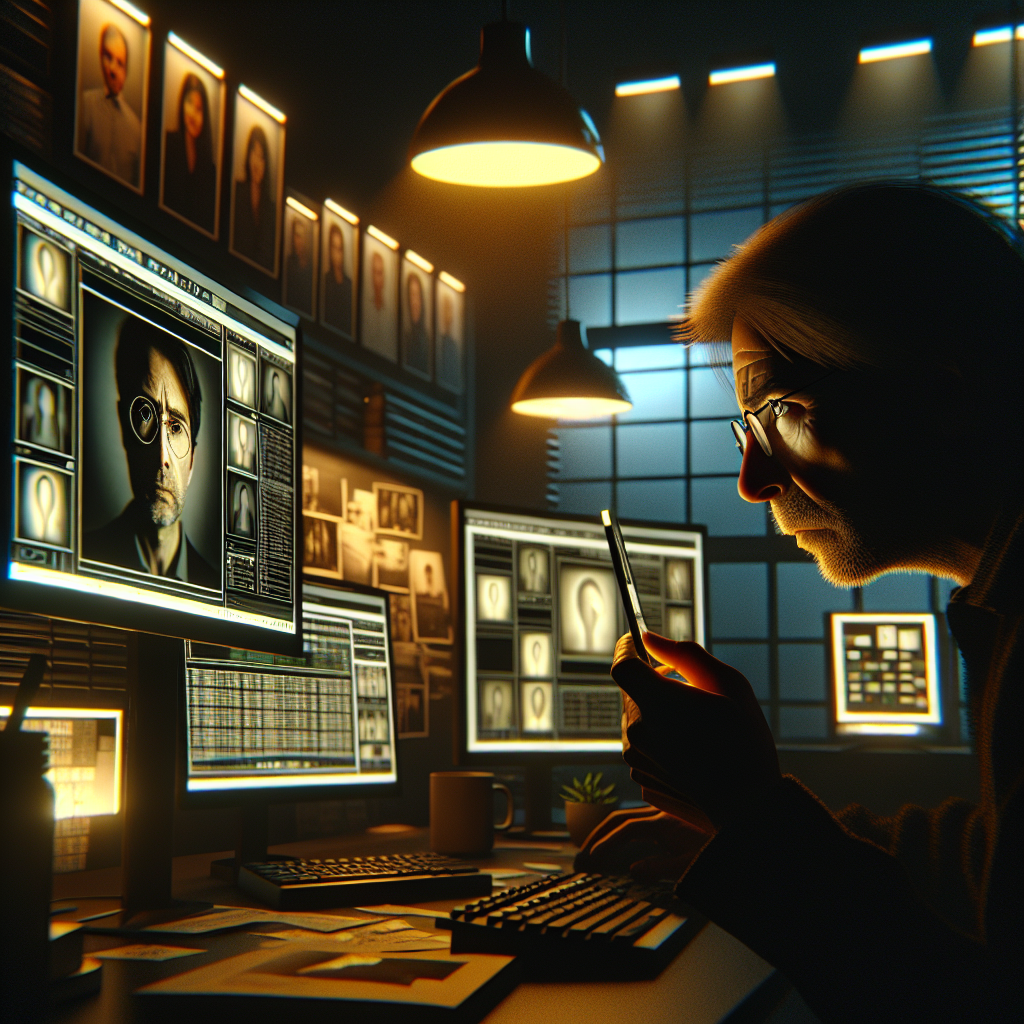
The notification comes on a lazy afternoon.
It’s not a news alert or a call from a friend, but an unmistakable, icy jolt: anonymous photos—your vacation selfie, your university headshot, even the image from your old office wall—splashed across an internet forum, rendered unrecognizable and explicit. Your name isn’t there, but your face is. And no one ever asked your permission.
Welcome to the center of the digital storm: a massive data leak from the erotic roleplay and AI image platform Secret Desires. It’s not just tabloids this time—millions of profiles, photos, and intimate conversations have spilled into the open, forcing us to confront a new reality where fantasies and privacy collide at internet scale[3][5].
When Fantasy Isn’t Private Anymore
Secret Desires marketed itself as an escape. For a subscription fee, users could craft flirtatious chats with customizable AI “companions,” or use the platform’s controversial face-swapping tool: upload any photo and see that person appear in computer-generated explicit images[3][5]. The possibilities? Harmless flirting, raunchy fantasy, curiosity—or far darker impulses.
But on an unremarkable day, that illusion of secrecy vanished. Researchers discovered that the platform had left nearly two million photos and videos wide open on its cloud servers—“exposed and available to the public,” with files dating back months[3]. Among them: graduation shots, beach pictures, social media selfies, and countless AI-generated composite images with explicit content[5].
Some faces belonged to known influencers or classmates; others seemed lifted from obscurity—pulled from forgotten yearbooks or work websites. For many, a private digital moment had been weaponized into public humiliation.
How Did This Happen?
Cybersecurity experts say the answer is both infuriatingly simple and painfully common: “Misconfigured cloud storage.” In plain English, basic protections were missing. Instead of keeping all that personal data locked safely away, the platform accidentally left the door wide open[3][4][5].
Think of it like storing all your most revealing photos in a safe, only to forget to lock it, and then printing the combination on flyers scattered through town. Once the vulnerability was discovered, hackers and data tourists alike could access or download the raw files with ease—no hacks or James Bond gadgets required[4].
The Heartbreak of a Digital Bystander
Put yourself in the shoes of Emily (not her real name), a recent grad from Chicago. She never signed up for Secret Desires. But one day, a college headshot she’d posted on LinkedIn is turned into a graphic AI image on a site she’s never heard of. She starts getting lewd messages from strangers who seem to know too much about her. Panic sets in. Deletions, frantic emails, and—above all—questions. How do you prove a photo isn’t really you, when the faked image is based on your face?
Now multiply Emily’s ordeal by hundreds of thousands[5].
Expert Voices: “A Privacy Chernobyl”
“Users trust these platforms with their deepest secrets, or in some cases, trust is exploited by the absence of consent altogether,” says Dr. Jeremy Blackburn, a digital ethics analyst. “When sensitive data leaks, it’s a privacy Chernobyl—contamination you can’t ever truly clean up.”[6]
Governments are only now reacting. Some US lawmakers have demanded heightened data privacy laws for AI-driven apps, but the global response is fragmented; platforms operate across jurisdictions, and leaks transcend borders in seconds.
Cybersecurity researchers at UpGuard and 404 Media call the Secret Desires episode “a warning shot” for the AI industry: if fantasy is easy to fabricate, so is nightmare[2][3][4].
The Aftermath: Blackmail, Exploitation, and a Broken Promise
In the leak’s wake, the consequences multiplied quickly. Reports of extortion and “sextortion” began to surface—scammers threatening to share AI-forged erotica with families or employers unless victims paid up[4]. Victims described feeling violated, anxious, and powerless.
Meanwhile, Imagime Interactive (Secret Desires’ parent company) quietly took down the exposed servers[1][5]. But even after removing the files, they couldn’t erase downloaded copies from personal hard drives or the dark web. Privacy, once breached, is hard to patch.
What’s Next—And Could It Happen Again?
Experts agree: this was not a fluke, but a preview. As generative AI platforms multiply, so do risks—especially where “fun” innovations brush up against real-world privacy stakes.
Governments are starting to investigate and draft new legislation, but regulation lags far behind the pace of renegade app developers. Until then, the only certainty is that other platforms, driven by profit and user “engagement,” may repeat the same mistakes.
For Emily and millions like her, the question remains: When any photo can become a digital plaything—or weapon—how do we reclaim the boundaries of consent in an AI-powered world?
Would you trust your intimate secrets—or the face of someone you love—to a chatbot again?
FAQ
- What is the “Secret Desires” leak?
It was a privacy breach where an erotic chatbot and AI image app exposed millions of user-uploaded images—many manipulated with face-swapping and explicit content—to the internet due to poor security[3][5]. - How were people’s photos used in the leak?
Users could upload any public or private photos, often taken from social media or personal albums, and have them remixed into graphic AI-generated images. - Who is affected by these erotic AI chatbot data leaks?
Both people who used the chatbot for roleplay and those whose images were uploaded without consent—many never joined the app at all. - Can leaked chatbot and AI companion data fuel extortion or scams?
Yes, security experts report that such leaks enable blackmail (sextortion), harassment, and identity theft[1][4]. - Have authorities responded to the AI roleplay app data breach?
Some US and international government agencies are launching inquiries, but comprehensive regulation or victim restitution remains limited.