
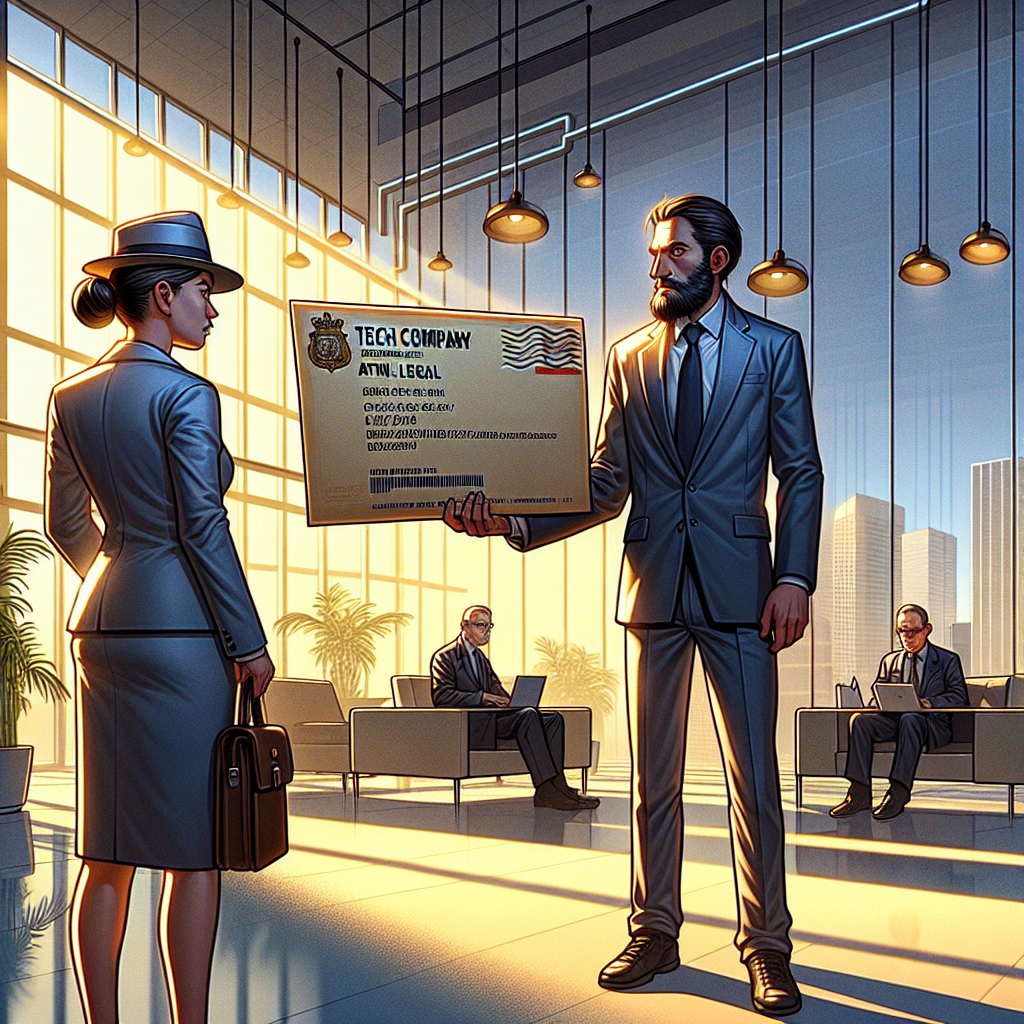
Scene One: A White Envelope Lands at Meta’s Door
It was a Thursday morning in Menlo Park, and sunlight blazed through the glass walls of Meta’s sprawling headquarters—the kind of day engineered for optimism. But inside a sleek, minimalist lobby, a paralegal held a curious white envelope addressed to “Meta Platforms Inc., Attn: Legal.” The return label stopped everyone in their tracks: Mark Zuckerberg.
Not the Mark Zuckerberg—the hoodie-wearing architect of the modern data empire—but a Connecticut attorney who happened to share the billionaire’s name. The envelope contained a lawsuit. Its contents, as soon revealed on Reddit and tech blogs, would spiral into the most bizarre legal drama of the year.
When Names Collide: The Lawsuit That Made Headlines
Reddit’s technology subreddit—always quick to pounce on the surreal—lit up with memes, conspiracy threads, and serious legal speculation. The headline: “Lawyer Named Mark Zuckerberg Sues Meta After Trying To Register Law Firm’s Social Media Account.” Was it clickbait, satire, or cold legal fact?
The reality: In a twist the internet could only dream up, attorney Mark Zuckerberg alleged that Meta banned him from creating a professional Facebook account in his own name, suspecting impersonation or fraud.
But this was more than an identity squabble. Beneath the viral humor, serious questions echoed: Who holds the power to define digital identity, and what recourse do you have when algorithms—those unseen guards at the gates—decide that your very name is verboten?
Algorithms vs. Human Identity: How the Collision Happened
At the heart of the case was a battlescape familiar to millions: social network account verification code. When Zuckerberg (the lawyer) tried to register, Facebook’s automated systems flagged “Mark Zuckerberg” as a suspicious name—a trigger for high-level review reserved for public figures and potential impersonators.
These systems, built to fend off scam accounts and identity theft, can be both gatekeeper and judge. Most flagged users face generic appeals forms and endless review loops—a process engineered for scale, not nuance.
Tech analyst Dr. Felicia Huang tells us, “At the scale Meta operates, almost every decision starts with a machine—not a human. In rare cases, like this, the system creates ironies that the law never anticipated.”
When the System Fails: A Personal Story
Meet Angela, a Connecticut small-business owner (fictionalized, but drawn from real stories). Angela’s son needed legal help after a car accident, so she searched local attorneys. She found Mark Zuckerberg—qualified, local, and trustworthy. But when she tried to follow his Facebook page for updates, the account seemed to vanish overnight.
Confused and anxious, she worried: Was this attorney real? Had she fallen for a scam, or had the system just erased a living, breathing professional?
For Angela and countless others, trust in digital spaces is fragile—a single algorithmic error can turn reputation to dust.
What the Experts Said: Legal Limbo and PR Fallout
Meta’s automated moderation is not new, but the high-profile coincidence thrust it into the national conversation. Legal scholars pointed to existing court battles involving Meta, where questions of accountability, due process, and the sheer weight of algorithmic decision-making have dominated headlines[1][2].
“It’s a cautionary tale,” says San Francisco attorney Jordan Miller, “of how corporate power, personal identity, and code can clash in unpredictable ways. Every digital gatekeeper has the power to erase, whether by accident or design.”
A brief statement from Meta described the case as a “misunderstanding,” promising a review of identity procedures for high-profile or ‘sensitive’ account names. But, as always, policy changes lag behind the headlines.
Communities Take Notice: Memes, Media, and Movements
The internet did what it does best: it turned the Kafkaesque ordeal into a meme goldmine, but also sparked earnest discussion. Lawyers, small business owners, and everyday users began sharing their own war stories—accounts disabled by accident, names flagged for review, reputations suddenly lost to an algorithmic decision.
Lawmakers on Capitol Hill, already pressuring Meta over antitrust and youth mental health lawsuits[1][2][3], seized on the story. Senator Lisa Burton tweeted, “Today it’s a famous name. Tomorrow it could be yours. Automated moderation needs real accountability.”
What’s Next / Could It Happen Again?
Will Meta overhaul its flagging and appeals system? Insiders hint that this case may accelerate new hybrid review processes, blending human oversight with AI precision. Meanwhile, advocates argue for a “digital due process” bill of rights—clarity, timely appeals, and meaningful recourse when algorithms go awry.
If a Mark Zuckerberg can be erased by the company he helped build, what does it mean for the rest of us—whose names, faces, and very identities live at the mercy of code?
When algorithms become judge and jury, how do we reclaim our humanity in the digital age? Commenters, the floor is yours.
FAQ
Why did a lawyer named Mark Zuckerberg sue Meta?
A Connecticut attorney named Mark Zuckerberg was blocked from creating a professional Facebook account, leading him to file a lawsuit over identity issues caused by Meta’s automated moderation system.
How does Meta’s account moderation work?
Meta uses automated systems (algorithms) to flag suspicious or high-profile names, which can accidentally lock out real people mistaken for impersonators.
Has Meta faced other lawsuits related to user rights?
Yes, Meta is battling numerous lawsuits over moderation, mental health impacts, and antitrust concerns. Issues with automation and human review have been highlighted in several cases[1][2][3].
Can this happen to regular users?
Absolutely. Many users report being locked out of accounts or flagged because of unusual names, mistaken identity, or automation errors.
What changes could come from this lawsuit?
Experts predict more transparent appeal processes, increased human oversight, and new regulations around digital identity verification.