
A Flashpoint on the Senate Floor
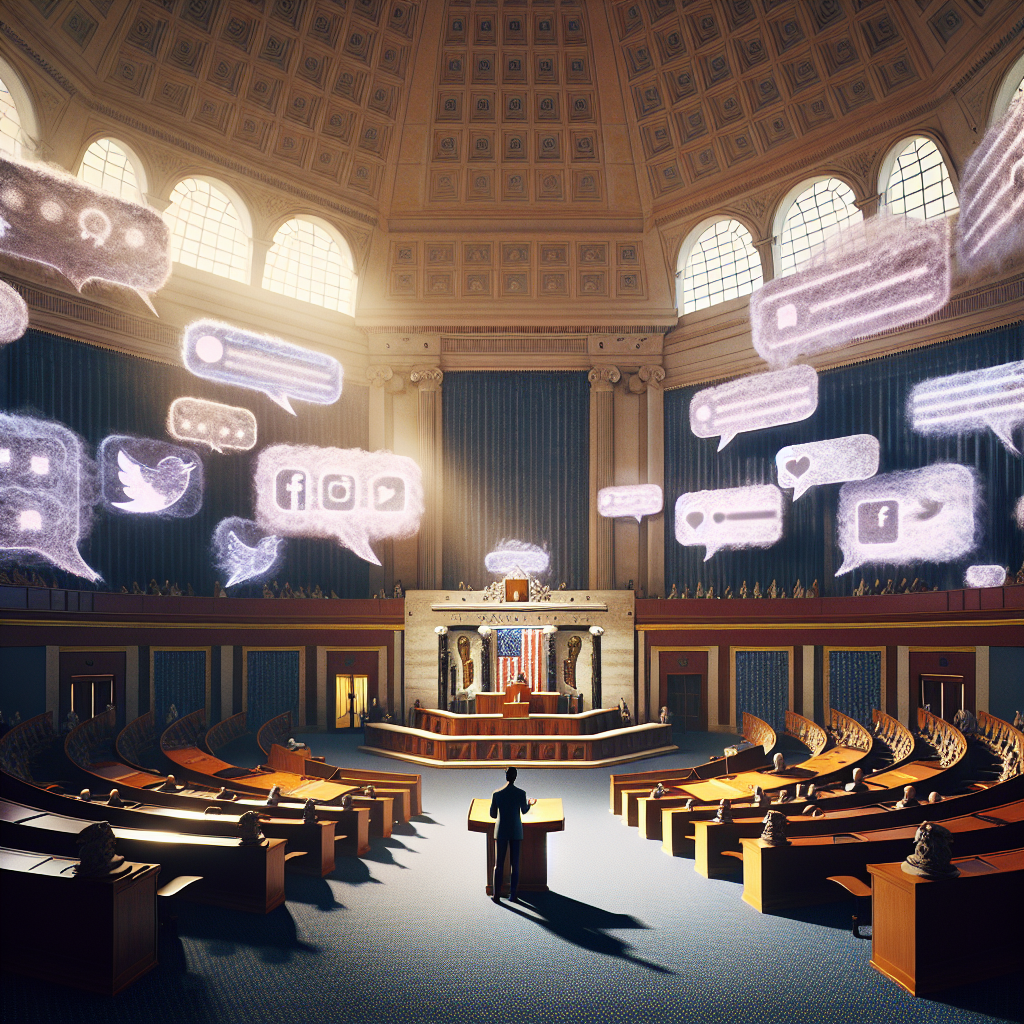
A fluorescent glare washes over the marble floors of Capitol Hill. Amid the rustle of papers and distant click of cameras, an unmistakable voice cuts through the static. “It’s time to hold Big Tech accountable,” declares Senator Josh Hawley, as he demands the repeal of Section 230 – the law that has shielded tech giants from lawsuits for decades. In that charged moment, the world is reminded: the debate over who controls the open web is no longer theoretical. It’s happening, live and in the open, and the ripple effects could touch every phone, screen, and voice online.
What Is Section 230 and Why Should Anyone Care?
Section 230 is often called “the 26 words that created the internet.” Passed in 1996, its main line reads: “No provider or user of an interactive computer service shall be treated as the publisher or speaker of any information provided by another information content provider”[1][2][4]. Translation? If you type something nasty on Facebook or post a wild claim on Reddit, those sites aren’t on the hook for what you said — you are.
Why did this matter so much? Back when message boards ruled and the web was more promise than threat, lawmakers feared that without protection, platforms would be paralyzed by lawsuits or forced to censor everything. Section 230 gave sites the space to foster wild, messy, world-changing discussion[1][3].
The Anatomy of an Attack Vector: How the Shield Works (and Cracks)
Think of Section 230 as a forcefield. Platforms like Meta, YouTube, and Reddit don’t have to pre-approve every post before you see it. They moderate at scale, usually stepping in only when content crosses lines — like threats of violence or graphic illegalities[2][4]. But here’s the twist: as online speech exploded, so did concerns about what that shield protects. From election misinformation to hate speech, the shield sometimes looked less like a defense of free speech and more like a loophole for digital chaos.
In recent years, innovative lawsuits and legislative threats have begun to chip away at this forcefield. Lawmakers from both parties — for radically different reasons — are asking if it’s outdated, too broad or even dangerous[3][5].
A Senator’s Gambit: Fueling the Flames
Senator Hawley’s move isn’t a lonely crusade. It’s the latest volley in a war waged by politicians, activists and, yes, millions of ordinary users. Some, like Hawley, claim that Big Tech hides behind Section 230 to suppress views they don’t like or dodge accountability for harmful speech. Others argue that without it, every platform would either drown in lawsuits or shut down vibrant discussion. As Hawley thunders before the cameras, the air is thick with contradiction: a battle cry for more responsibility, or a hidden threat to the open web’s very DNA?
Voices from the Front Line: An Ordinary Life, Upended
Consider Anna, a small business owner in Missouri. When a viral customer review on a major app accused her bakery of health violations, Anna’s reputation plummeted overnight. She begged the platform to remove the post, but they refused. “It’s not our responsibility — take it up with the author,” she was told. Under Section 230’s shield, the website faced no risk, but Anna’s business teetered on disaster.
Now imagine a world without that shield. Every post, every rumor, every meme — scrutinized, censored, pre-approved, or the risk is financial ruin. For platforms, endless lawsuits. For users, the end of freewheeling debate. For Anna? Maybe justice — or just the end of the internet as we know it.
Expert Insights: The High-Wire Act of Online Moderation
Dr. Victor Lin, a digital policy analyst, likens Section 230 to “the safety net that let the internet’s acrobats soar.” In his words: “Without it, platforms would play it safe, taking down anything remotely risky. But unrestricted, the net lets some dangerous acts go unchecked. The challenge is balance: robust speech, but safe spaces.”
Government officials echo the complexity. The Department of Justice has floated reforms — requiring platforms to act in good faith and be more transparent about how they moderate[5]. The FCC is pondering new definitions of “objectionable content” and “good faith” removals, trying to clarify muddy waters[5].
Communities on Edge: Shockwaves, Politics, and Culture Wars
As the debate rages, communities are nervous. Some tech firms warn of catastrophic consequences: the collapse of online forums, a barren internet where only the richest can afford to host discussion. Free speech advocates see a slippery slope to state-controlled speech. Meanwhile, reformers warn that unchecked freedom breeds real harm — harassment, lies, violence — all shielded by dusty laws from the dial-up era.
After Hawley’s call for repeal, industry groups mounted defenses and digital rights activists hit back. “End Section 230, and you end the internet,” warned one coalition. Congressional hearings became primetime drama. In the streets — and threads — people fought not just for tech policy, but for the very nature of public conversation in the 21st century.
What’s Next / Could It Happen Again?
As of today, Section 230 stands, but for how long? The pressure to reform — or repeal — is at a fever pitch, with proposals flying from both sides of the aisle. No one knows quite what would follow. Would it be a “safe internet,” less divisive and dangerous? Or a walled garden where only giant corporations survive?
The future is uncharted, but one thing is certain: as long as humans fight to be heard, the battle over what can be said — and who pays the price — will go on.
So the question viral on Reddit, the Senate, and your neighborhood chat remains:
If we rebuild the rules of online speech, who gets to hold the pen?
FAQ
What is Section 230 and why is it called a “liability shield”?
Section 230 is a law that protects online platforms from being held legally responsible for most things posted by their users. Without it, sites could be sued for content they didn’t create.
Why does Senator Hawley want Section 230 repealed?
Hawley and some others argue that tech giants misuse the law to avoid accountability for harmful or biased content on their sites.
How could Section 230 repeal affect ordinary people?
Without it, platforms might remove much more user content or even disable comment sections just to avoid lawsuits — shrinking freedom of expression online.
Has Section 230 changed since the 1990s?
It has been reinterpreted and limited in some court cases, and several reform proposals are currently being debated in Congress.
What’s the future of online free speech if Section 230 is repealed or reformed?
It’s uncertain: it could mean safer platforms or much harsher censorship, depending on what comes next.