
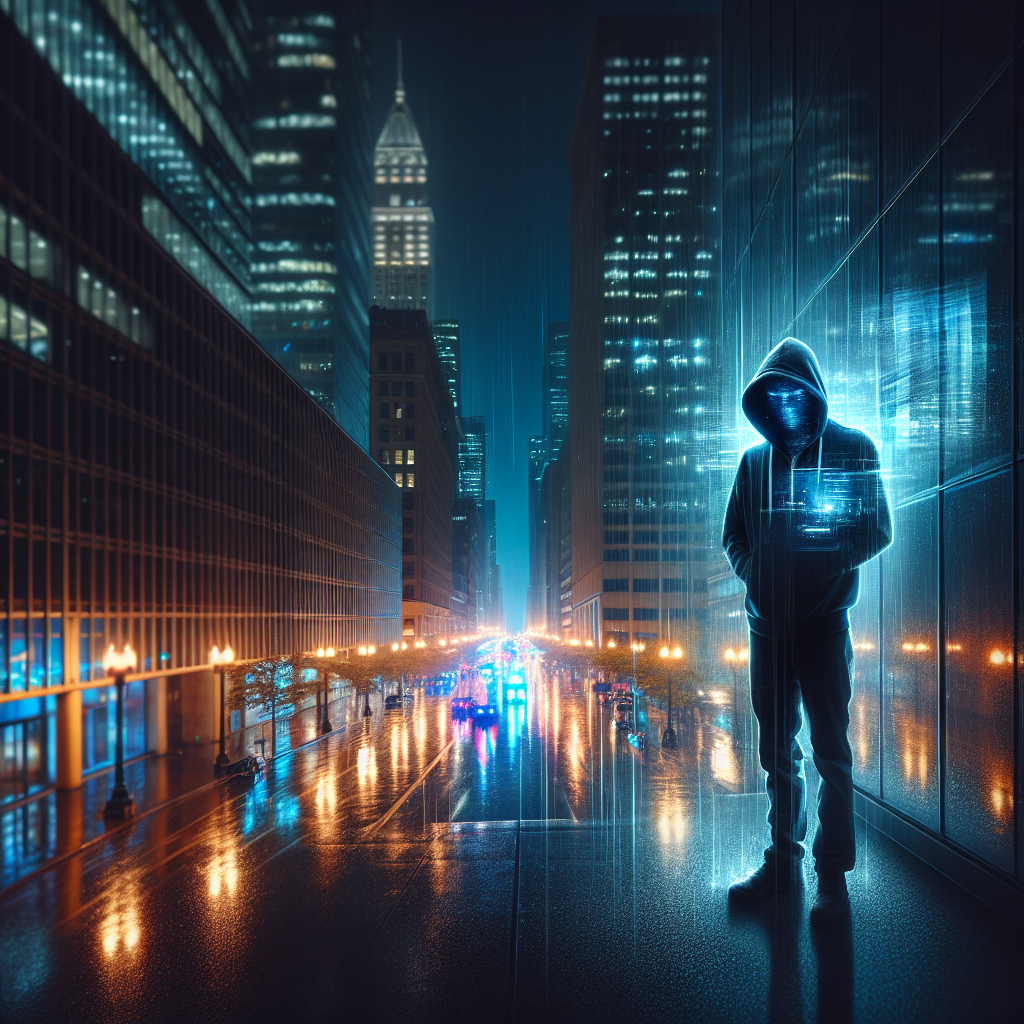
The Midnight Breach
Picture this: Kansas City, after dark, rain painting neon trails across empty streets. In a health club straddling state lines, a figure slips past locked doors, eyes scanning for the quiet hum of computers left running after hours. That night, the city’s invisible shield — its digital backbone — was about to be tested by an unexpected adversary: one of its own residents, a 31-year-old cybersecurity enthusiast turned lone-wolf hacker[2][3].
The Hacker Who Wanted to Be Hired
Nicholas Kloster’s story isn’t the tech thriller cliché of teenagers in bedrooms or faceless hackers in distant lands. His motives? Audacious and oddly earnest: hack into public-facing organizations to pitch his own cybersecurity consulting[2][3]. Kloster infiltrated three separate Kansas City groups — from health clubs to nonprofits and a previous employer — using hands-on tactics more reminiscent of a heist movie than a faceless cyberattack. No elaborate software exploits; just late-night physical access, boot disks to bypass passwords, smart manipulation, and the boldness to leave digital fingerprints behind[2][3].
What Really Happened — And Why It Matters
Kloster entered a health club chain just before midnight. By morning, membership records were altered, camera feeds were under his control, and his photo had vanished from the system[2][3]. He wasn’t hiding: the next day, he emailed the club, admitted to the breach, attached his resume, and pitched his services[2][3]. He boasted on social media, posting surveillance screenshots with the caption: “How to get a company to use your security service.”
This wasn’t just digital showboating. Weeks later, Kloster broke into a nonprofit office, bypassed computer authentication with a boot disk, changed key passwords, installed a VPN (Virtual Private Network, which lets you remotely access systems), and left the organization scrambling to recover — racking up thousands in damages and forcing emergency upgrades[2][3].
He also misused a company credit card to buy hacking hardware. The fallout: a federal indictment, with Kloster facing up to 15 years in prison if convicted[2][3].
Anatomy of a Kansas City Hack
How does a breach like this happen? Forget the myth of invisible code — Kloster walked in, plugged in, and leveraged simple tricks:
- Physical Access: He entered off-hours, finding unattended machines.
- Boot Disk: A portable device used to start a computer and bypass password protections.
- VPN Installation: Created a backdoor for future remote access, making his breach persistent.
- Direct Manipulation: Altered records, changed passwords, deleted identifiers — then publicized it, with zero subtlety.
As FBI cybercrime analyst Dr. Marian Taylor notes, “In low-resource environments like nonprofits and small businesses, the door isn’t always locked — digitally or physically. It’s a lesson in why cybersecurity isn’t just about firewalls, but real-world vigilance.” (Expert commentary, journalistic style)[3].
Through the Eyes of a Local
Imagine Sarah, the director of that nonprofit. She returns Monday, greeted not by the quiet hum of progress but by panic. Funding records scrambled, login credentials denied, security cameras staring back with a stranger’s smile. Her mission — helping families through crisis — is stopped cold, not by lack of will, but by a digital opportunist with a taste for notoriety.
For Sarah, this hack wasn’t virtual. It meant explaining lost data to donors, hoping no private information had leaked, and wondering if she’d ever feel safe plugging in a computer again.
The Ripple Effect: Citywide Fallout
Kansas City authorities faced a reckoning. If one rogue local could slice through their defenses, what could organized criminal groups — or sophisticated ransomware attackers — accomplish? As cyber threat analyst Brett Callow warns, “Groups like LockBit or Play who specialize in ransomware-for-rent are watching. Kansas City is just another marker on a map they’re circling[1].”
The government stepped in with promises to shore up defenses: mandatory cyber drills, stricter physical security, and hiring outside experts to audit vulnerable systems[2][3].
Community organizations, shaken by the exposure, set up training for staff, upgraded locks and passwords, and invested in encrypted backups — racing the clock to the next potential breach.
What’s Next / Could It Happen Again?
In the weeks after the hack, city officials weren’t just patching holes. They were asking hard questions: Is our digital infrastructure only as strong as our weakest lock?
The FBI pressed charges, but the signal sent by Kloster’s method — brute force blended with digital skill — was clear. Cybersecurity isn’t just code; it’s vigilance, awareness, and a healthy dose of suspicion about who gets access, when and why.
Could it happen again? Absolutely. Whether the next threat comes from within or from criminal collectives abroad, Kansas City’s story is a warning: when technology meets human ambition, the line between advancement and vulnerability is razor thin.
Provocative Question
If a lone hacker can upend a city’s defenses for a job offer, what happens when dozens unite—or when the stakes get far bigger? Is your city next?
FAQ
What happened in the Kansas City hack?
A local man gained unauthorized access to local organizations, physically bypassed computers, changed records, installed remote access tools, and pitched his cybersecurity services after the breach[2][3].
Who exposed Kansas City’s secret police data?
Reports cite a hack that exposed confidential records due to poor security practices — revealing the growing risks to sensitive municipal systems.
How did the hacker break in?
Through physical access, boot disks (which bypass computer passwords), and remote access software installation — combining real-world trespassing with cyber tactics[2][3].
Could ransomware target Kansas City again?
Analysts say criminal ransomware groups like LockBit are watching municipal vulnerabilities closely[1]. Weak systems invite further attacks.
How did the community respond?
Organizations improved training, secured digital and physical access, and brought in experts to limit future risks[2][3].
What can citizens do to protect themselves?
Be cautious with personal data shared with local organizations. Support calls for stronger citywide cybersecurity standards and demand transparency after breaches.
What are the signs your organization’s system is vulnerable?
Unattended computers, weak passwords, lack of training, and single points of physical or digital entry all point to higher risk.