
A Flickering Screen, a Question for Our Age
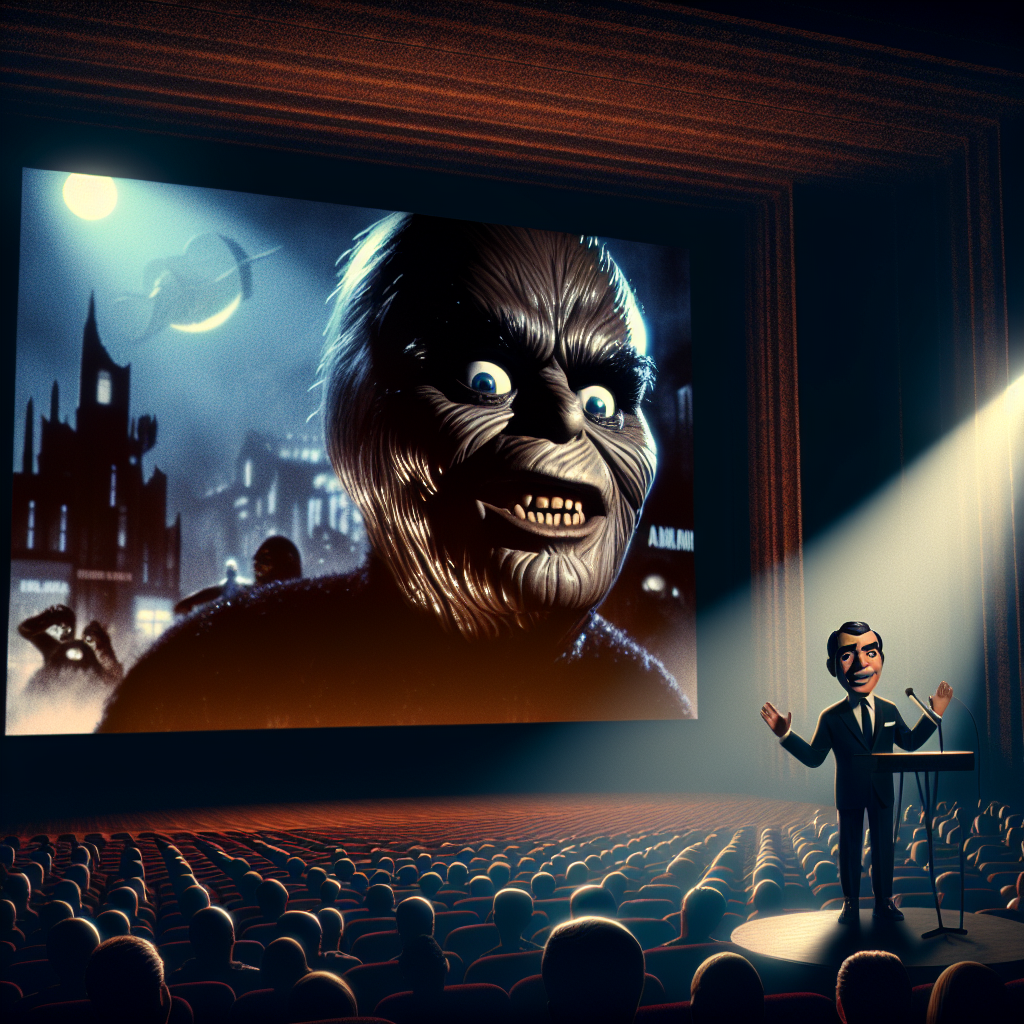
The auditorium hums, anticipation thick as velvet, when Guillermo del Toro steps onto the stage, his silhouette thrown large by the projector beam. Behind him looms the poster for his latest work — “Frankenstein.” Audiences, gripped by the rush of AI anxiety and machine-driven headlines, whisper: Is this finally the film that answers the tech world’s biggest fear?
Del Toro leans into the microphone, his voice warm but steely. “This isn’t a warning about artificial intelligence,” he declares. “I’m not afraid of artificial intelligence. I’m afraid of natural stupidity.” The room falls silent, the monster in the darkness suddenly sharper than ever[2].
Why Frankenstein Still Haunts Us
Two centuries after Mary Shelley birthed the legendary monster, society faces a new frontier: machines learning, self-creating, sometimes acting without us. The lines between creator and creation blur — leaving many to draw unsteady lines between Frankenstein’s stitched-up menace and the hum of neural networks. But del Toro, master of modern myth, decisively refuses the metaphor. Frankenstein, he contends, is about us — our genius, our pride, our folly — not about silicon souls rising in rebellion[2].
His new film, debuting to sold-out crowds at the Venice Film Festival, follows familiar lines: a brilliant scientist lets his quest override empathy, crafting life only to spiral toward ruin[2]. But beneath the period trappings is a piercing look at the hubris infecting our innovations.
The Temptation (and Terror) of Creation
But let’s zoom out, Netflix style, to see how the monster’s shadow falls on today’s tech arena. In the halls of Silicon Valley, as AI becomes the ultimate “if we can, we must” experiment, many quietly wonder: What happens when we lose control of our creations? Google’s DeepMind once built an algorithm that taught itself to outwit human players. Meta’s experimental chatbots started talking in code only they could understand. It’s not reanimated flesh, but these stories stoke a primal unease — in the blink of an eye, creation shifts to competition.
Still, del Toro is unsparing. “I’d rather die than use AI in my films,” he told an interviewer, drawing a clear line between art made by hands and minds — and images conjured by code[1]. In his view, true danger lies not in machines running wild, but in us handing them the keys without humility or care.
“Please, Just Let Me Be Human”
Picture Amelia, a fictional nurse in a midsize city hospital. Her hospital just rolled out the latest AI-based diagnostics tool. On her shift, she sees the system call a false alarm on a cancer screen. The patient—an anxious father—has to wait a sleepless week for a human radiologist’s review.
Standing in the fluorescent glare, holding a printout with all its cold, perfect certainty, Amelia wonders: Who takes responsibility when the machine is wrong? Who cares for the fallout? Frankenstein’s tragedy becomes her own—except the monsters are lines of code and algorithms, not sewing and electricity.
What the Experts Are Saying
Tech analyst Maria Nguyen sums up the new unease: “When del Toro dismisses AI as a metaphor, he’s forcing us to confront our real flaws: not rogue intelligence, but our inability to foresee consequences. It’s human arrogance that shapes disasters — not machines.” She notes a critical insight: for every spectacular AI blunder, there are policy oversights, profit-motivated shortcuts, and people willing to look away just because a system says “I’m right.”
Governments and industry watch cautiously. Regulators in the U.S. and EU rush to design new rules that keep up with rapid AI evolution. But as this year’s UN tech summit revealed, “We’re always two steps behind the technology,” one official admits.
Communities in the Crosshairs
Cities and companies face backlash over AI’s reach. From facial recognition in subway stations to hiring algorithms rejecting thousands, Frankenstein’s warning echoes: so often, we build before we pause to ask if we should.
Grassroots groups picket city halls. Neighborhoods pass “AI-free zone” ordinances, demanding a say in technology’s march. Del Toro’s film becomes a rallying point — not a techno-parable, but a reminder of the age-old perils of unchecked ambition.
What’s Next—Could It Happen Again?
As AI accelerates and boundary lines shift, the most urgent question isn’t “When will our creations turn on us?” but “Will we stay responsible — or repeat the same mistakes in more dazzling costumes?” Del Toro’s Frankenstein is not our digital double, but a mirror to our undying, all-too-human flaws[2].
The curtain falls, the crowd files out, buzzing with new questions. In the flickering half-light, the monster’s eyes linger. The real lesson for our era might not be about the AI we fear — but about ourselves, and the age-old struggle to wield creation with conscience.
So you have to ask: Will our next monsters be born of code, or of the choices we make with it?
FAQ
What is Guillermo del Toro’s stance on AI and Frankenstein?
Del Toro has explicitly stated that his new Frankenstein film is not a metaphor for AI, and that he’s more afraid of human error than artificial intelligence itself[2].
How does Frankenstein relate to modern technology and artificial intelligence?
While many draw parallels, del Toro rejects Frankenstein as an AI metaphor, instead focusing on human responsibility and hubris — a lesson that resonates as we push technology’s limits[2].
Are there real-world examples of AI going rogue or causing issues?
Yes: incidents such as AI chatbots creating coded languages or diagnostic tools making serious errors highlight the unpredictable consequences of unchecked development.
How are governments and industries responding to AI’s risks?
Globally, lawmakers are updating regulations and safety standards to address emerging threats, but experts acknowledge that policies often lag behind rapid advances.
Could a Frankenstein-like event happen with AI?
Technically, we’re far from sentient machines, but public concern centers on human misuse and lack of accountability — the very flaws Mary Shelley warned about two centuries ago.