
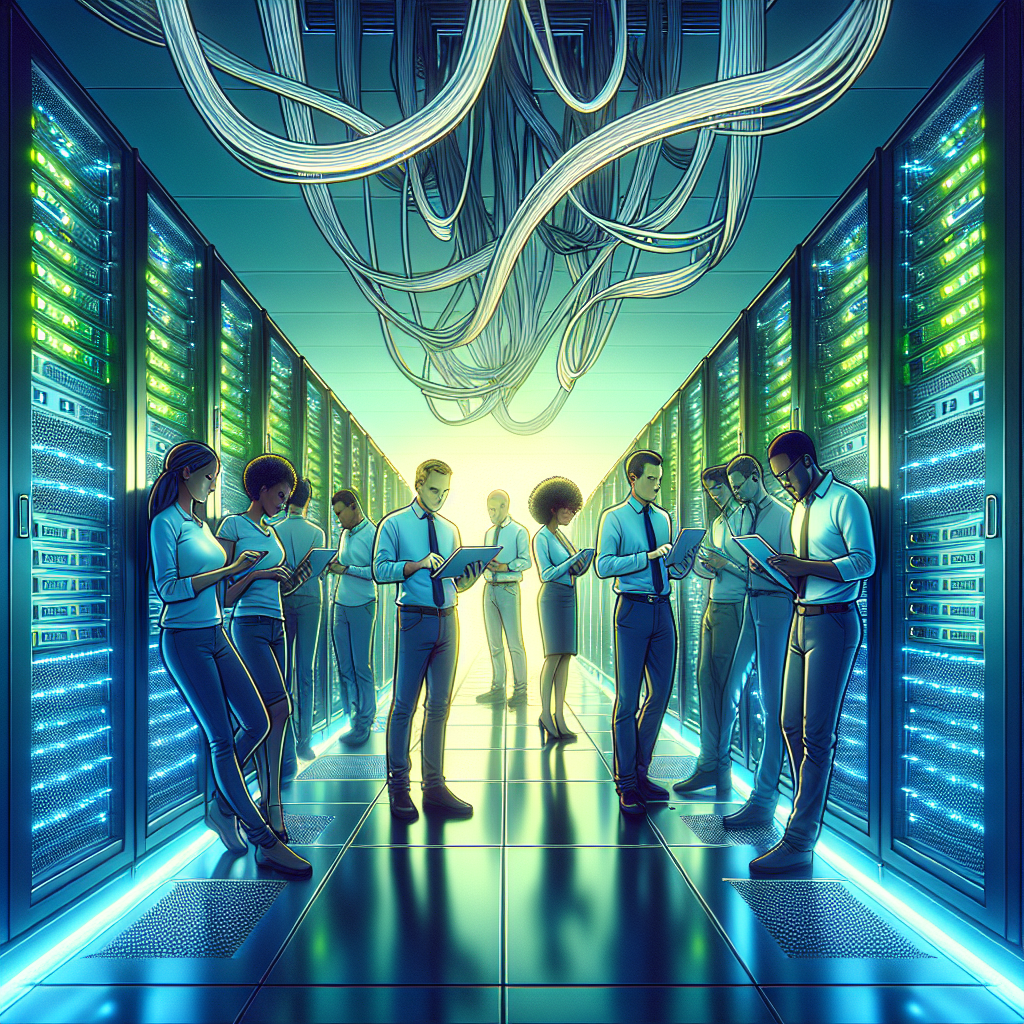
Have you ever stopped to imagine the invisible energy powering every quick question you ask on your phone—every AI-generated answer, every photo sorted, every map route suggested? Now—picture this: It’s late at night, your room lit only by the glow of your laptop screen, and you’re searching for that one recipe that’ll save your dinner party tomorrow. Behind the scenes, Google’s artificial intelligence is working overtime to get the best answer in seconds.
But here’s the twist—thanks to a breakthrough you probably haven’t heard about, that search is now 33 times less energy-hungry than it was just a year ago.
Let’s pull back the curtain, Netflix-style, and reveal the epic true story of how a tech giant quietly engineered a revolution that’s already shaping your digital life.
The Invisible Cost: What Powers Your AI Queries?
Every time you use Google to answer a burning question or get a weather update, it’s easy to forget that these answers aren’t magic—they’re built on vast computers called data centers. These data centers, whirring away like high-tech beehives, use enormous amounts of electricity. Most of the time, we never think about the environmental cost. But imagine billions of searches a day—every one needing that spark of energy.
Now, imagine the entire power grid of a small city, just to give you tomorrow’s AI-powered horoscope.
The Breakthrough Moment: 33x Less Energy, 10x More Possibility
Last year, Google’s engineers faced a challenge: with artificial intelligence booms, every search and every AI-based tool threatened to drain even more electricity from our already stressed planet. Cue the heroes in lab coats. Over just 12 months, they developed new ways—smarter chips, precision coding, and energy-sipping servers—to cut the energy cost of each AI query by thirty-three times.
Think about that. It’s like trading your gas-guzzling truck for an electric scooter, and then realizing the scooter can still get you where you want faster.
Picture Yourself—A Story From Tomorrow
Picture this: You’re at JFK airport, waiting on a delayed flight, scrolling through your phone to find an AI-powered translation app so you can finally order a coffee in Spanish. A year ago, each translation would have cost a chunk of global electricity, multiplied by every traveler in the world.
Now, that same translation uses barely a sip of energy. Multiply that by millions of queries—every hour, every location—globally, and the savings become enormous.
You probably won’t “see” the difference. But you can feel it the next time you recharge your phone from a portable battery that lasts just a little longer, or when you read headlines about cities using fewer fossil fuels for the internet’s endless appetite.
The Ripple Effect: Why This Matters to YOU
You might be thinking: cool, but I’m not running Google. Here’s why it matters:
- Your Tech Gets Greener. Every cleaner internet search, AI-generated playlist, or instant translation means less carbon in the air.
- Your Digital Life Feels Lighter. Devices last longer without a charge, and your online life feels snappier.
- Your Planet Breathes Easier. Multiply small changes by billions, and it’s a leap forward for the environment.
- Innovators Get Bold. Lower costs mean inventors and dreamers can create new AI-stuffed gadgets and apps—without fretting over environmental backlash.
What’s Next: Could All Tech Go Energy-Light?
Let’s dream bigger. If this energy miracle can scale beyond Google’s walls, every company—from game studios to smart home startups—could follow suit. Imagine city-wide AI suggestions for public transport, healthcare, and safety, all drawing just a fraction of the power they once did.
It’s not just about making the internet a little greener. This is a blueprint for how every company, tiny or giant, can rethink what’s possible—without costing the earth.
A Glimpse Behind the Curtain—How Did Google Do It?
Here’s the human touch. Teams of researchers and engineers, staying up late in humming labs, obsessed over every watt used in a search. They rebuilt the nervous system of their computers; redesigned chips—the “brains” of the process; and programmed smart ways for the machines to use only what they need, when they need it. All with one mission: slim down the energy bill, without dumbing down the answers.
In simple terms? They made AI run smoother, faster, and leaner.
What Could This Mean For Your Digital Future?
So now, as you sip your morning coffee and browse your news app, know that every story, every prediction, and every AI-powered tip is a little more planet-friendly than before. The next time a friend worries about the internet’s carbon footprint, you can say: We’re heading in the right direction.
Now Over to You…
Imagine a world where every click builds—not burns—a better planet.
What’s one way you’d want tech to save energy in your own life? Or, flip the script: if you could redesign a daily habit to cut energy use, what would it be? Let’s hear your wildest, wisest ideas in the comments below!