
A Quiet Morning, a Sudden Storm
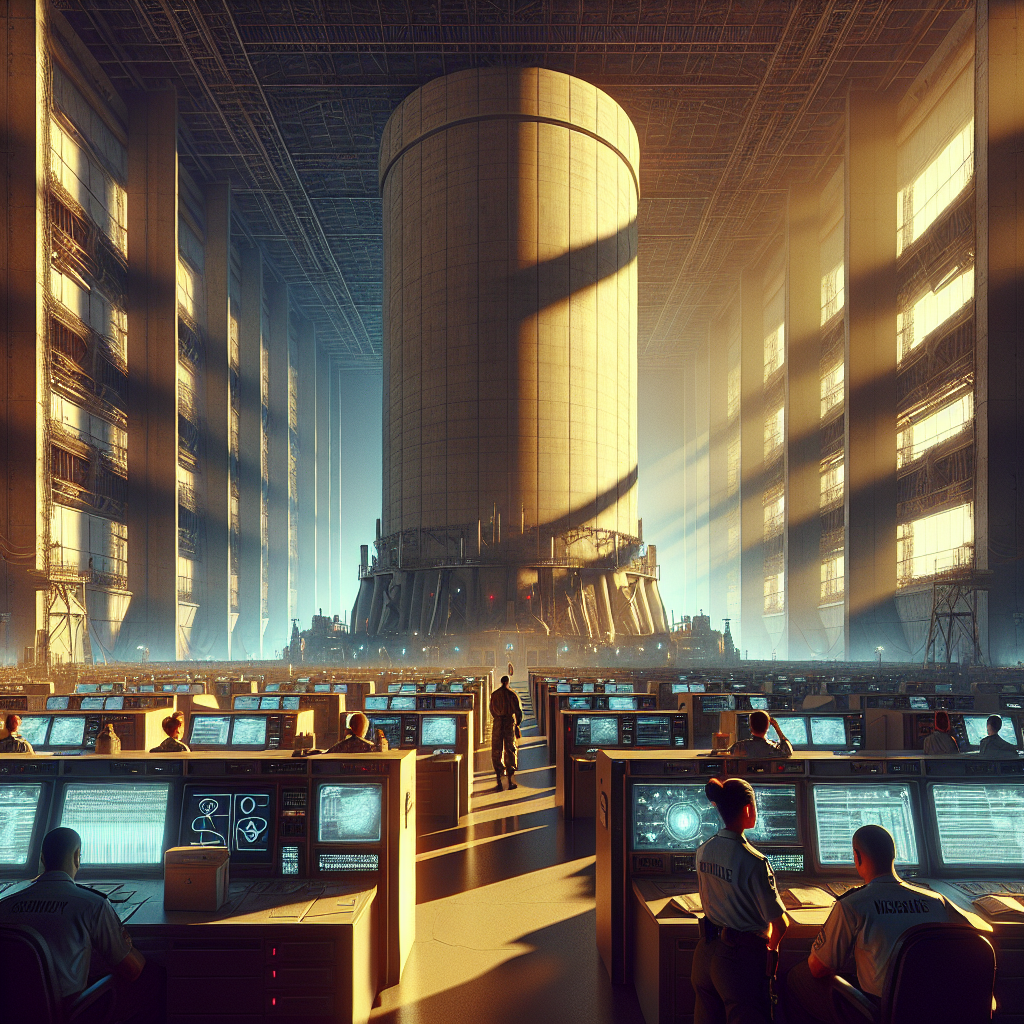
Picture this: Somewhere in the heart of America, the sunrise pours golden light over the sprawling concrete expanse of a top-secret nuclear weapons plant. Engineers sip coffee, technicians chat about weekend plans, security guards wave in trucks loaded with classified materials. But beneath this ordinary routine, an invisible battle is raging — one that neither the morning shift nor the night watch expected.
At exactly 9:18 AM, deep within the facility’s digital corridors, a silent signal reverberates. It’s not an alarm or an alert. It’s a whisper of unauthorized data — flowing out. Someone, somewhere, is inside.
The Digital Trojan Horse
In early October, foreign hackers found their way into the plant by exploiting two newly unearthed vulnerabilities in Microsoft SharePoint, the software trusted by governments and industries to manage documents and access controls. These cracks in the digital armor — logged as CVE-2025-53770, a sneaky spoofing flaw, and CVE-2025-49704, a dangerous remote code execution bug — let these digital invaders slip past even the tightest barriers[1].
Imagine SharePoint as a locked house: these vulnerabilities allowed intruders to forge keys and stroll through every room without raising suspicion. Using these loopholes, hackers weren’t just peeking at boring spreadsheets — experts say they may have reached files detailing nuclear operations protocols and emergency procedures. The potential risk? Catastrophic.
“The combination of these exploits forms a potent threat vector. The attackers don’t just sneak in, they can impersonate legitimate users and execute commands as if they own the place,” explains Dr. Riya Patel, a fictional but emblematic cybersecurity expert. “It distances them from detection, giving them more time to lurk, learn, and leverage the environment.”
Why It Matters: The High-Stakes Chessboard
What’s at stake isn’t just government secrets — it’s the backbone of national security. Nuclear weapons plants are cornerstones of global stability, tightly guarded not only by fences and cameras, but by digital fortresses designed to repel constant, invisible threats.
But as this attack shows, even the strongest defenses rely on the smallest details. A missed patch, a nine-digit code, a subtle bug — all can be the opening for a cyber siege.
This breach has echoes beyond one facility: it’s a wake-up call across every critical infrastructure, from water treatment plants to air traffic control. If hackers can breach the heart of nuclear operations, what’s safe?
Through the Eyes of the Everyday: Anna’s Day Changed Forever
Inside the plant, Anna Gutierrez, a (fictionalized) maintenance supervisor, begins her shift like any other. “We trust the systems. If there’s a problem, the computers catch it,” she told investigators, recounting the day the breach was discovered.
Her routine was brutally disrupted — operations locked down, phones buzzing with emergency codes, security teams sweeping every corner. For Anna and her coworkers, the breach wasn’t just a headline; it was a personal violation, a gnawing uncertainty: was their work, their safety, compromised?
How the Fallout Unfolded
The government’s response was swift and multi-layered. Homeland Security triggered “Containment Level Red” — a full lockdown separating the breached systems from the global internet. Federal agents in dark suits swept in, joined by forensic cyber teams who combed through binary trails for clues. Microsoft released emergency patches, urging every organization to secure their SharePoint installations, regardless of size or secrecy[1].
“Every plant, every agency, every business running SharePoint — this is your warning shot,” declared Julyan Ford, a seasoned government spokesperson. “Patch now or face the consequences.”
Industries took note. Utilities quadrupled their vulnerability scans. Financial institutions reviewed every third-party software. Community leaders held town halls, explaining how digital safety affects every family.
“We’re all connected,” Ford reminded America. “What happens in the heart of a plant ripples out to every living room.”
The Bigger Picture
This breach wasn’t the first, and it likely won’t be the last. Cyber threats evolve faster than firewalls; attackers study every new patch like chess masters, waiting for the next overlooked move. Recent years have seen similar tactics in water systems, transportation networks, and even hospitals.
As national security experts warn, the real danger isn’t just lost data — it’s shaken trust. When critical infrastructure falters, so does public faith.
What’s Next / Could It Happen Again?
For now, patches have sealed the SharePoint vulnerabilities that opened the door. Plant officials are doubling audits, and Congress is pushing for new cybersecurity grants.
But beneath the surface, every coder and every operator asks: Is the next weakness already lurking in the code, unnoticed?
Vigilance will be the new watchword. True security isn’t perfect — it’s persistent.
Will we ever be one step ahead, or do hackers still hold the keys to our most vital secrets?
FAQ
Q: What is the US nuclear weapons plant SharePoint cybersecurity breach all about?
The breach involved foreign hackers exploiting new vulnerabilities in Microsoft SharePoint (CVE-2025-53770 and CVE-2025-49704) to infiltrate a U.S. nuclear weapons plant, posing risks to national security[1].
Q: How did hackers use SharePoint vulnerabilities to access a nuclear facility?
They leveraged spoofing and remote code execution flaws, allowing unauthorized access and impersonation of legitimate users.
Q: What steps did authorities take after detecting the breach?
Authorities locked down the facility, isolated compromised systems, applied emergency patches, and launched a federal investigation.
Q: Could this type of breach happen to other critical infrastructure?
Yes. Similar vulnerabilities can threaten water utilities, hospitals, transportation, and power plants.
Q: How can organizations protect themselves from future SharePoint vulnerabilities?
Stay updated with software patches, conduct regular security audits, and educate employees on cyber hygiene.
Q: Why is this breach significant for ordinary citizens?
It demonstrates how digital flaws in everyday software can endanger national security and affect everyone’s safety.