
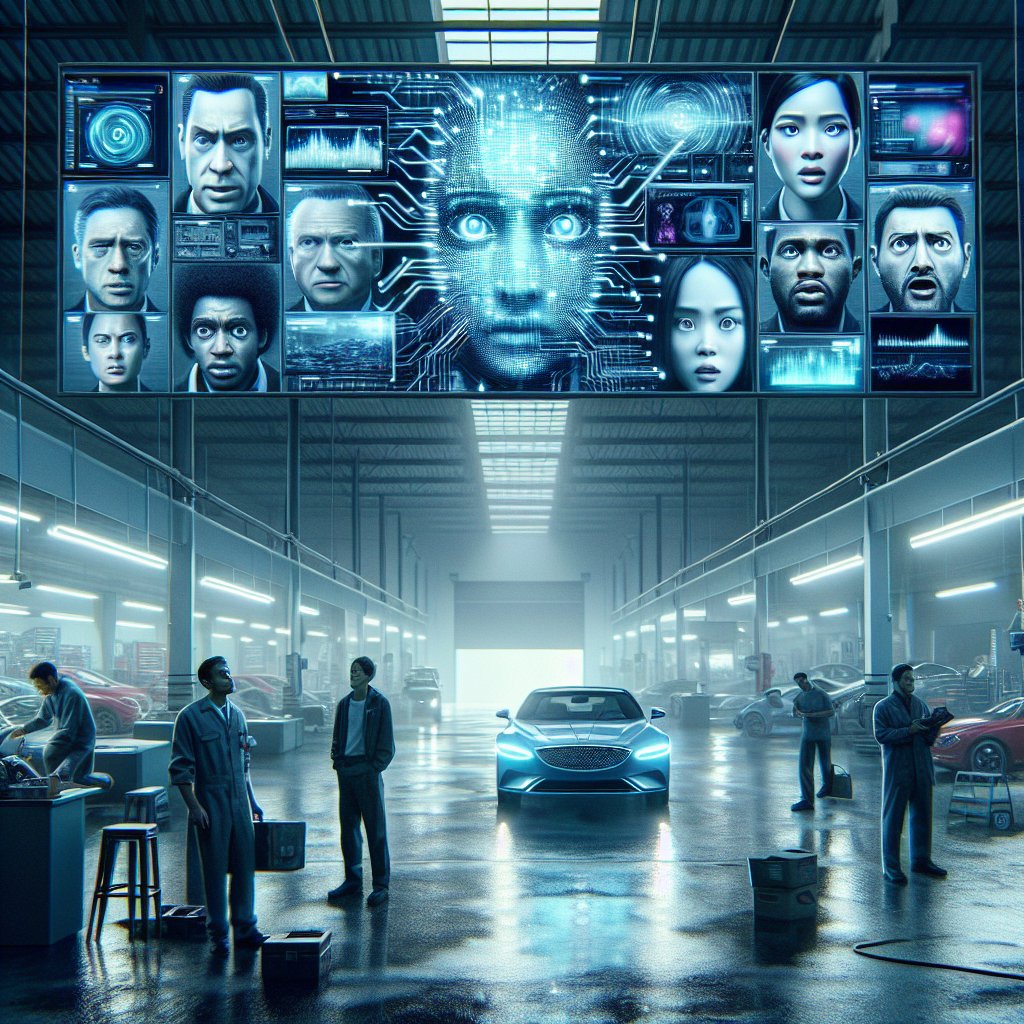
Midnight at Ford: The Screens That Changed Everything
It began with a flicker. Across Ford service bays and display rooms, screens sputtered, froze, and filled with cryptic messages. Mechanics in overalls squinted at black monitors. Customers waiting for oil changes cocked their heads. In that moment, a century-old automotive titan was drawn into a digital firestorm — one that would ripple through boardrooms, newsrooms, and every corner of the internet.
On the night of November 17, as Detroit slept, a message appeared on BreachForums: “Today, I have uploaded the FORD MOTOR COMPANY internal database for you to download, thanks for reading and enjoy!” Signed by ‘EnergyWeaponUser’ — the handle of a hacker whose reputation for data theft was nearly mythic — the post claimed to deliver 44,000 Ford customer records. It wasn’t just a theft. It was public humiliation, real-time, and global.
The Weight of a Click: Why the Ford Incident Matters
The Ford hack wasn’t a blockbuster ransomware attack with billions at stake. But as screenshots of dealership addresses and customer info trickled onto hacker forums — including some full names and purchase details — a new wave of anxiety surged through automotive and tech industries: If Ford’s screens had gone dark overnight, what about the data powering them? Customer addresses, purchase histories, timestamps — all exposed to the unknown. Even if financial or highly sensitive data wasn’t at risk, personally identifiable information (PII) is gold to cybercriminals, who use it for phishing schemes or social engineering, tricking users into giving away even more[3].
It’s a wake-up call about the everyday fragility of our digital world. Dealers who sell Fords. Families who drive Fords. Employees who rely on these systems daily. Suddenly, everyone’s part of the story.
Breaking Down the Heist: How Did It Happen?
So, how do hackers turn a parked car into an entry point for chaos?
Cybersecurity insiders believe the breach was not a Hollywood-style “hack” into Ford’s main fortress of code. Instead, forensic traces point to a third-party supplier — not Ford’s own systems — as the weak link[2][4]. Intelligence broker ‘IntelBroker’ and accomplice ‘EnergyWeaponUser’ didn’t blast through Ford’s firewall. They sidestepped, exploiting vulnerabilities in a company that supplies Ford with data management services. The loot? Mostly public dealership records, not end-user data like credit card numbers or driver’s licenses[2][4][5].
Yet, the episode shows how supply chain cybersecurity — the defenses of every company Ford works with — can expose big brands to risk. If one contractor is ill-equipped, the dominoes fall for everyone.
The Expert Eye: What Analysts and Officials Are Saying
“Almost every modern breach starts somewhere unexpected,” says cyber risk analyst Dr. Ada Franco, head of ThinkTank Digital Shield. “Suppose you buy a car online. You imagine Ford protects your data like a bank vault. But if Ford’s suppliers aren’t just as secure, your info’s at risk. One cheap link, and everyone pays the price.”
Ford, for its part, fiercely denied any actual customer data leak. “No threat to our systems, no customer risk, and the matter is resolved,” explained Ford spokesperson Richard Binhammer. Their investigation concluded the issue was “a small batch of publicly available dealers’ business addresses” rather than sensitive customer information[2].
The Department of Homeland Security issued a brief statement echoing such concerns: “American consumers deserve to know companies protect their data. Supply chain incidents remind everyone — accountability is shared.”
When Your Dad’s Job Becomes Front-Page News: One Family’s 24 Hours
Consider Sarah Nguyen, whose father runs a Ford dealership in Milwaukee. When she woke up, her group texts buzzed: “Is Dad’s shop exposed? Should we warn customers?” Sarah’s father fielded calls all day from nervous buyers — even though all the hackers had exposed was the dealership’s address, easily found in the Yellow Pages.
The incident became the subject of Thanksgiving debate around the Nguyen dinner table: Who should take responsibility when one weak link threatens the reputation of thousands?
The Ripple Effect: Ford, Industry, and the Community
In the days following the “hack,” Ford dealers watched their email inboxes bulge with phishing attempts — cleverly crafted messages meant to trick employees with familiar addresses harvested from the breach. Other automakers scanned their own supply chains for vulnerabilities. CIOs called emergency meetings, while Ford made sure every supplier updated their data security protocols. What began as a chaotic Reddit post became a lesson for the entire global auto industry — and a warning for any company that relies on digital networks.
What’s Next / Could It Happen Again?
Ford says it’s over. But is it? As the lines between companies and their suppliers blur, new cyber threats emerge daily. Tomorrow, any system connected to the internet — from dealership screens to car infotainment systems — could be a gateway for hackers. For customers, it’s another reason to demand transparency about where and how data is protected.
Will the next breach expose more than just names — or will mega-corporations finally adapt?
How secure do you feel when your world is built from digital connections you can’t see?
FAQ
-
What is the Ford data breach?
The Ford data breach was an incident where hackers claimed they accessed 44,000 customer records, but later findings revealed only dealership information — not sensitive customer data — had been exposed[2][4]. -
How did hackers target Ford?
Hackers used supply chain vulnerabilities, breaching a third-party supplier rather than Ford’s main systems, exploiting less secure partners to access dealer info[2][4][5]. -
Who are IntelBroker and EnergyWeaponUser?
These hackers are known in cybercrime circles for targeting companies via forums, leaking data and occasionally attempting to ransom information[1][5]. -
Was any personal customer data leaked?
Ford and security analysts say the leaked records contained only publicly available dealership addresses, so no critical customer data such as financial info or Social Security numbers was involved[2][4]. -
Could it happen to other automakers?
Yes. The breach highlights the importance of strong cybersecurity in supply chains, and other automakers could be vulnerable if suppliers’ defenses are inadequate[3][4][5]. -
How can customers protect their privacy?
Stay alert for phishing emails, use strong passwords, and ask companies how they secure your data, especially as cyber risks grow.