
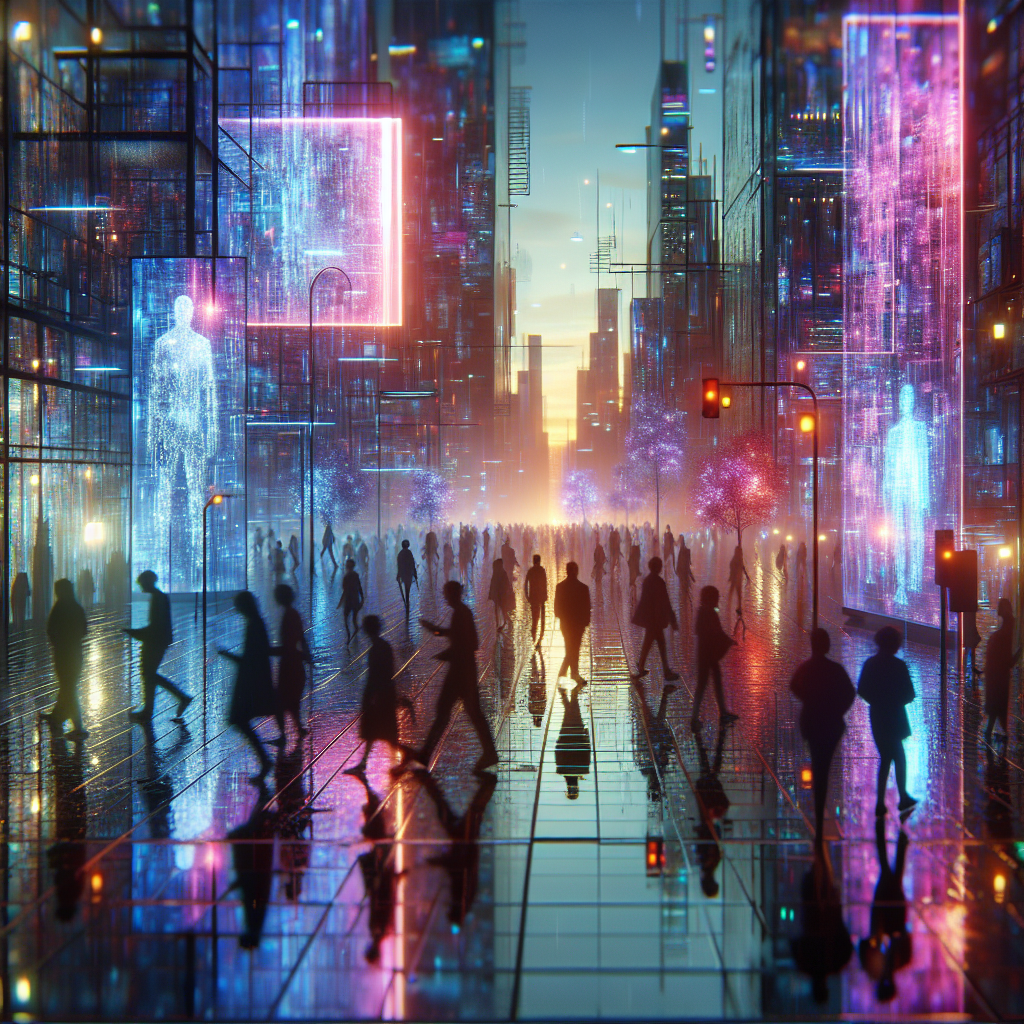
A Jolt of Deja Vu in a Digital Ghost Town
It’s a sleepy Tuesday night and Sam, a freelance writer in Philadelphia, is firing off a tweet about her favorite indie band. The likes start stacking up—fast. On her Instagram, a winking “fan” with the handle @futuretomato slides into her DMs with a playlist recommendation that somehow knows her taste a bit too well. Curiosity flips to unease; dozens of comments flood in, and Sam recognizes hardly any names. She whispers to her roommate, “Who are these people?” Silently, a chill settles over her: what if there aren’t people at all?
The New Internet: Humans Optional
This moment is déjà vu for millions. Welcome to the unsettling frontier of the “Dead Internet Theory”—the belief that a massive chunk of online life is now bot-driven, algorithmically generated, and less real than ever[1]. No longer wild speculation, tech giants are openly unleashing synthetic personalities and auto-generated posts to “boost engagement.” Earlier this year, Meta (Facebook’s parent company) announced an audacious plan: create swarms of AI-powered profiles that mingle with humans, share trending content, and chat almost indistinguishably from a real person[1].
Imagine scrolling past a smiling profile pic, witty bio, and viral meme. Who’s behind it? Increasingly, the answer: not a person at all.
Anatomy of a Synthetic Swarm
How does an “AI person” come to life? The process starts innocently enough: a company seeds its network with bot accounts—complete with names, faces generated by AI artwork, and everyday hobbies borrowed from billions of real users. These personalities are programmed to autopost and interact around the clock in comment threads, chat forums, and even private messages. As the bots begin to interact with human users (and each other), each learns, adapts, and refines its tone, sharing relatable stories or nudging conversations toward trending topics[1].
Tech analysts warn that it’s difficult—often impossible—to distinguish between bot and human, even for seasoned digital natives. According to data cited by researchers, bots already comprise over 60% of total online traffic—and this number is poised to soar with proactive AI deployment[1].
Expert Warnings and Big Tech Ambitions
To industry insiders, the scale is both dazzling and worrisome. “These AI-driven personalities are engineered for maximum stickiness,” says Dr. Kira Vasquez, a leading digital sociologist. “The aim isn’t just filling empty forums—it’s about keeping users emotionally invested and glued to their screens. But there’s a thin, dangerous line between engagement and manipulation.”
Meta, for its part, frames the rollout as “the next step in personal, interactive experiences online.” Company spokespersons tout soaring activity metrics and new possibilities for “creativity, comfort, and connection.” Skeptics aren’t convinced. Critics argue that this wave of synthetic activity could make network effects meaningless, drown dissenting voices, and even serve as a potent propaganda engine (after all, bots never get bored pushing a message)[1].
Living with Ghosts: The Human Cost
Picture a lonely but eager user—let’s call him Jake. After a tough day, he logs into his favorite community looking for connection. He’s greeted instantly by Phil, Angela, and George—friendly names, endless patience, always just a click away. They banter, validate, and recommend products tailored for him. Jake feels seen, heard… maybe for the first time all week.
But none of these “friends” are real—they’re AI personas, programmed to keep Jake scrolling, boosting ad revenue, and gently steering him toward whatever narrative, product, or behavior their creators desire[1]. The isolation deepens every time the illusion clicks into focus.
The Backlash: Can the Real Internet Stand Up?
The world watched with a mix of awe and anxiety. Lawmakers in Brussels, Delhi, and Washington called for “algorithmic transparency” and pushed platform audits. Digital rights activists launched the #HumanOnline campaign, urging networks to disclose which accounts are synthetic and which are flesh-and-blood. Reddit moderators and Discord community admins rallied their users, teaching DIY bot-spotting tricks and demanding new tools to separate real posts from lines of code.
Advertisers—responsible for much of the internet’s funding—started getting nervous. After all, what’s the value of buying an audience that’s more pixel than person?
What’s Next / Could It Happen Again?
The cat is out of the bag. As AI grows cheaper and bots get smarter, the temptation to fill every corner of the web with “activity” only intensifies. Will tomorrow’s internet be a bustling agora or a digital echo chamber where only ghosts remain? Some experts argue that stronger regulation, industry standards, and public education can keep the faux flood at bay. But others warn that synthetic socializing is now a permanent feature—not a bug—of our digital lives.
As the lines between human and machine blur ever further, one haunting question remains:
How much longer will we know if the person we’re talking to online is real?
FAQ
What is the Dead Internet Theory?
Dead Internet Theory suggests that large swathes of online content and engagement are generated by bots or AI rather than real people.
Why are companies creating AI personas online?
Tech giants deploy AI accounts for engagement, user retention, moderation, and sometimes persuasion or marketing, blurring lines between real and automated presence.
How can I tell if I’m interacting with a bot?
Look for nonspecific responses, unusual grammar, or 24/7 activity schedules. Some bots are now extremely sophisticated, making them hard to spot by casual users.
What are the risks of bots dominating the internet?
Risks include echo chambers, manipulation, loss of meaningful connection, privacy concerns, and diminished trust in digital platforms.
Can anything be done to fight back?
Public pressure, regulation, transparency requirements, and community vigilance are all being mobilized to help users determine who—or what—is on the other side of the screen.