
A Disappearing Act on Aisle 12
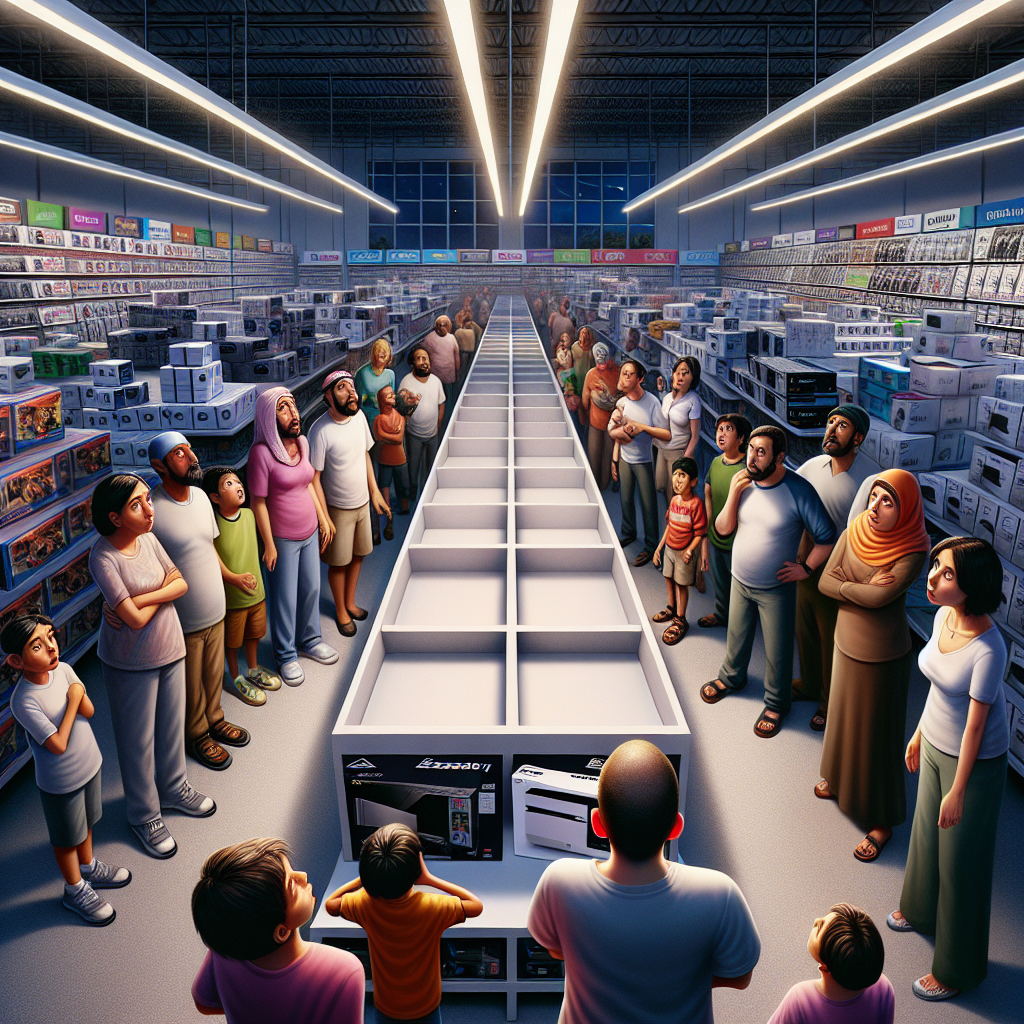
It was just another Tuesday at Costco—or so it seemed. Shoppers weaved between towering shelves, hunting bulk bargains and picking up TVs for weekend gaming marathons. But at the electronics corner, something was off. The usually bright stack of Xbox consoles—gone. No Series X, no Series S. Just blank shelf space, like a magician’s trick that nobody had anticipated. An anxious father lingered, phone in hand, searching for the elusive console his son wanted for his birthday. All he found was confusion.
Unpacking the Exodus: What Happened?
The news spread quickly through Reddit and gaming forums: Costco no longer sells Xbox consoles. This wasn’t a supply chain glitch. Costco confirmed the removal, “We don’t have any plans going forward to carry an Xbox console,” an official told tech commentator Destin Legarie. The chain’s official stance? A business decision—clear, yet cryptic. Xbox stock began vanishing not just in the U.S., but globally, with remaining units marked for clearance sales[1][2].
Industry insiders speculated: Why would a retail giant drop one of gaming’s biggest names? Microsoft, meanwhile, stayed silent.
Pricing Pressures & Political Ripples
Dig deeper, and the roots run global. Xbox consoles, like most gaming hardware, are manufactured in China. Recently, U.S. tariffs on Chinese imports pushed prices up. While computers and smartphones dodged these tariffs, game consoles were not so lucky[2]. The cost of bringing an Xbox into the country jumped.
Microsoft tried to cushion the blow, but profit margins are thin—often wafer-like, sometimes nonexistent. In response, they twice raised prices on the Xbox Series X|S in the U.S., making Costco’s bulk-beloved business model less attractive. For a membership warehouse like Costco, it made less sense to stock a high-priced console with shrinking demand—especially when PlayStations and Switches were flying off the shelves[1][2].
A Family Left Behind: The Human Side
Picture Clara, a mom in Seattle. Her twin boys begged for an Xbox for months, trading chores for gift card money. In September, she drove to Costco, kids cheering from the backseat. She scanned the aisles once, twice. Nothing. “Sorry, we don’t carry those anymore,” the attendant shrugged. Clara—once comforted by Costco’s reliability—felt betrayed. That moment, for her family, separated digital dreams from reality.
Voices From the Industry: Why This Move Matters
Retail analysts, like Jamie Larkin of GameFind, weren’t surprised. “Console sales are down. Microsoft’s official numbers stopped coming years ago. Retailers are chasing what moves—right now, that’s subscription services and games, not hardware,” she explained. Some speculate this signals a shift in the entire gaming ecosystem: The physical console’s reign may be waning as players move to cloud gaming and digital platforms.
Meanwhile, anonymous government trade officials quietly acknowledged supply chain headaches and pricing instability. “Tariffs created uncertainty. Retailers can’t risk shelf space and capital when demand is volatile,” one source said.
Global Reactions: Shockwaves and Aftershocks
Costco’s decision sent a ripple effect through retail. EBGames Canada soon followed, offering only leftover Xbox stock online[1]. Other smaller chains took cues, reconsidering shelf placements and future orders. Microsoft’s silence amplified industry anxiety, while Sony and Nintendo smiled quietly, their sales bolstered in the void.
Online, the gaming community debated fiercely: Was this the death knell for physical consoles? Or just a temporary hiccup? Kids posted disappointed TikToks; parents vented in Facebook groups; resellers smelled opportunity.
What’s Next / Could It Happen Again?
Is this the beginning of the end for big-box console shopping? As digital and cloud gaming grows, some analysts believe retail shelves won’t see the same hardware traffic again. If tariffs persist, and consumer habits change, more retailers could follow Costco’s lead, favoring flexibility over inventory risk.
For now, families like Clara’s turn to online retailers, resale markets, or digital alternatives. But tomorrow’s video game world might look nothing like the plastic-wrapped boxes we once fought over every holiday season.
Is the real game changing before our eyes—one shelf at a time? Would you miss the excitement of picking up a new console in person, or is the future calling you online?
FAQ
Why did Costco remove Xbox consoles from sale?
Costco dropped Xbox consoles due to a business decision influenced by declining console sales, rising prices from U.S. import tariffs on Chinese electronics, and shifting retail priorities[1][2].
Are Xbox consoles gone from all Costco locations?
Yes, both U.S. and international stores have stopped stocking new units, with closeout deals on remaining inventory[1][2].
Will Costco start selling Xbox again?
There are no plans for Costco to restock Xbox consoles, as confirmed by company representatives[1][2].
How does this affect gamers?
Gamers and families who relied on Costco for affordable bulk deals must look elsewhere, potentially facing higher prices online or at smaller retailers.
Is this a sign that consoles are declining overall?
Console sales have dropped recently as cloud gaming and digital platforms gain ground, but the physical console is not extinct yet—just evolving.
Are PlayStation and Nintendo Switch affected?
No; in fact, Costco continues to offer great deals on Switch and PlayStation consoles, reflecting their stronger market performance[2].
What alternatives do shoppers have now?
Gamers can find Xbox consoles at specialty retailers, online marketplaces, or directly from Microsoft.