
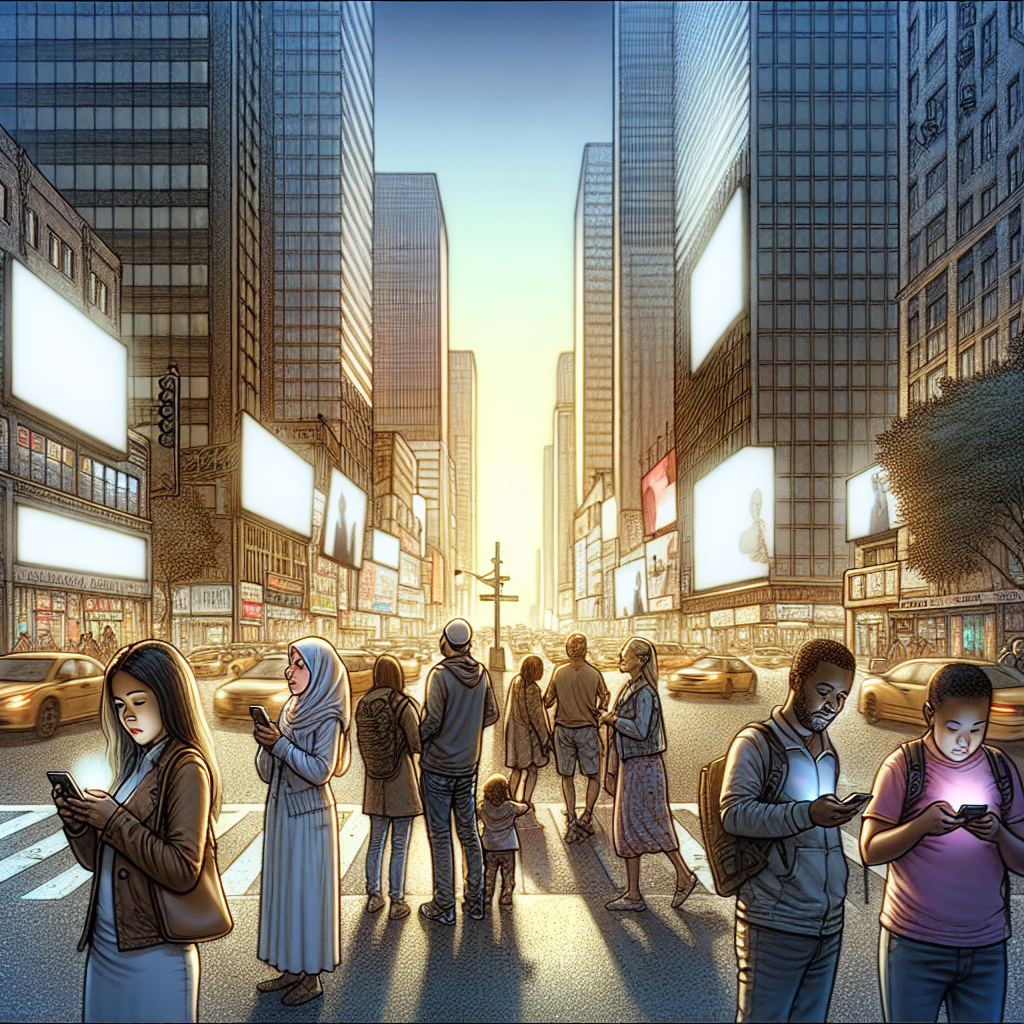
The Morning Brakes Screeched Online
It was 8:03 AM on a seemingly ordinary Tuesday when the pulse of the world’s internet skipped a beat. Commuters, coders, creators — all stopped in their tracks, the digital world suddenly quieter. For millions, newsfeeds froze, businesses came to a standstill, and a surreal hush swept across the planet’s busiest online boulevards. “Is X down for you too?” That anxious ripple became a chorus.
Among the chaos, 28-year-old Maya from Chicago was prepping for her first big product pitch, relying on slides stored on a cloud service she’d always trusted. Thirty seconds before her call? “Access denied.” Elsewhere, parents unable to load their children’s school portals, gig workers locked out of time trackers, frustrated students pounding reload — all victims of a silent collapse.
What Just Happened?
The culprit wasn’t a “bad Wi-Fi day.” The event, already dubbed “Cloudflare Tuesday,” was a global infrastructure outage with stakes bigger than a Monday morning meeting.
Cloudflare, the company quietly powering a staggering slice of the world’s websites (including giants like X and ChatGPT), experienced a critical system failure. As former FBI agent and cybersecurity analyst Eric O’Neill put it, “The plumbing of the internet cracked. When Cloudflare stumbled, millions of faucets went dry—simultaneously”[1].
Websites didn’t just slow — they crashed. Services like X (formerly Twitter), ChatGPT, fintech apps, and grocery delivery sites went offline, and for several tense hours, the connective tissue of digital society looked frighteningly fragile. For most, it was an inconvenience; for hospitals, financial sectors, and emergency services, it was an existential threat.
Anatomy of a Blackout
So, what’s Cloudflare — and how can one company’s stumble break the web?
Picture the internet a bit like a sprawling, ever-changing city. Cloudflare is both highway patrol and power company: it routes traffic efficiently, keeps websites secure from attack, and speeds up the experience for users. It’s also a defense line, blocking malicious actors and filtering out digital noise.
On November 18, 2025, a critical update apparently triggered a “cascading configuration error.” In plain terms: a tech team made changes, and like a row of dominoes, systems that depended on each other choked and failed. Suddenly, Cloudflare’s sophisticated defense mechanisms became barriers even for legitimate users. Traffic jammed, requests were denied, and websites blinked out. O’Neill explains, “This update, likely routine, became a global choke point—a miscalculation with knock-on effects that few even realized were possible”[1].
Faces in the Crisis
Maya, in her kitchen surrounded by cold coffee and discarded note cards, felt her world shrink. “Everything I worked for, gone behind an blinking error message,” she recalled to this reporter. Across continents, Aaron — a freight dispatcher in Nairobi — lost track of shipments pinged globally by fleet trackers. “It wasn’t just a glitch; it was like losing radio contact in a storm.”
The Big Players React
Tech leaders and governments responded with a rare, synced urgency:
- Twitter’s support channel broadcast: “We are aware and monitoring. Stay tuned,” even as their own tools sputtered.
- U.S. Cybersecurity and Infrastructure Security Agency (CISA) convened an emergency video call, noting that “centralizing infrastructure is efficient, but it also magnifies risk.”
- Financial markets issued warnings, as real-time data flows stuttered briefly, underscoring the need for “systemic resiliency.”
Industry voices called for more robust backup systems — the equivalent, perhaps, of building more bridges and tunnels under the city, so that if one route collapses, society can still flow.
Why Does This Matter?
This wasn’t some freak cyberattack nor the work of shadowy hackers. Rather: a technological Achilles heel exposed by routine procedure. Experts note that while companies like Cloudflare keep the internet fast and secure, concentration of power creates a single point of failure.
Imagine the main water pipe bursting in a skyscraper — all floors, from the penthouse to the basement, left dry. Now picture that skyscraper is the modern internet, and the outage affected everyone from influencers to critical care doctors.
How We Got Here: The Hidden Risks of Centralization
Cloudflare’s dominance is no accident; efficiency, dependability, and security have led thousands of sites to its embrace. But the very strength of high adoption also incubates risk.
“Reliance on a handful of gatekeepers gives us speed, but takes away flexibility,” said Casey Young, a network analyst at MIT. “Outages will happen. The challenge is having escape valves — alternatives, redundancies — that can absorb the shock.”
Ripple Effects and the Road Ahead
By midday, some sites flickered back online; others limped along. Businesses tallied losses, while IT teams everywhere met in crisis rooms, drafting “what-if” playbooks.
Cloudflare issued a mea culpa: “We regret the disruption and are working to ensure it never happens again.” Yet as the dust settled, nervous glances turned to regulators and lawmakers, many of whom had warned about the growing concentration of internet infrastructure.
What’s Next / Could It Happen Again?
As tech giants and governments regroup, the path forward is clear — distributed defenses, backup routes, and smarter controls. But can the world’s most interconnected system ever be truly resilient?
Now it’s your turn:
If your digital life paused for hours — would you adapt, or panic? And whose job is it to keep the global web safe from its own fragility?
FAQ (Cloudflare Down and Related Terms)
Q: What is Cloudflare and why was it down?
A: Cloudflare is a major internet infrastructure provider managing traffic for millions of websites. It went down due to a configuration error that cascaded across its systems, temporarily disabling site access for users worldwide.
Q: Which websites were affected by the Cloudflare outage?
A: Major platforms like X (formerly Twitter), ChatGPT, fintech services, and many business and educational sites relying on Cloudflare for security and speed went offline for several hours.
Q: Is this kind of outage common?
A: Large-scale outages like this are rare, but as more of the internet depends on a few key providers, the risk of broad disruptions increases.
Q: What can individuals and businesses do during such outages?
A: Have backup communication and data storage plans, and businesses should consider multi-provider strategies for critical systems.
Q: Could a Cloudflare outage happen again?
A: Yes — while unlikely day-to-day, no system is infallible. Ongoing investment in redundancy and smarter networks is essential to limit future risks.
Q: How does a Cloudflare failure impact emergency services?
A: If emergency communication or hospital systems rely on affected sites, even brief outages can pose risks to public health and safety.
Q: What are alternatives to Cloudflare?
A: Competing services like Akamai, Fastly, and Amazon CloudFront offer similar infrastructure, but wide adoption of any single solution can recreate concentration risk.