
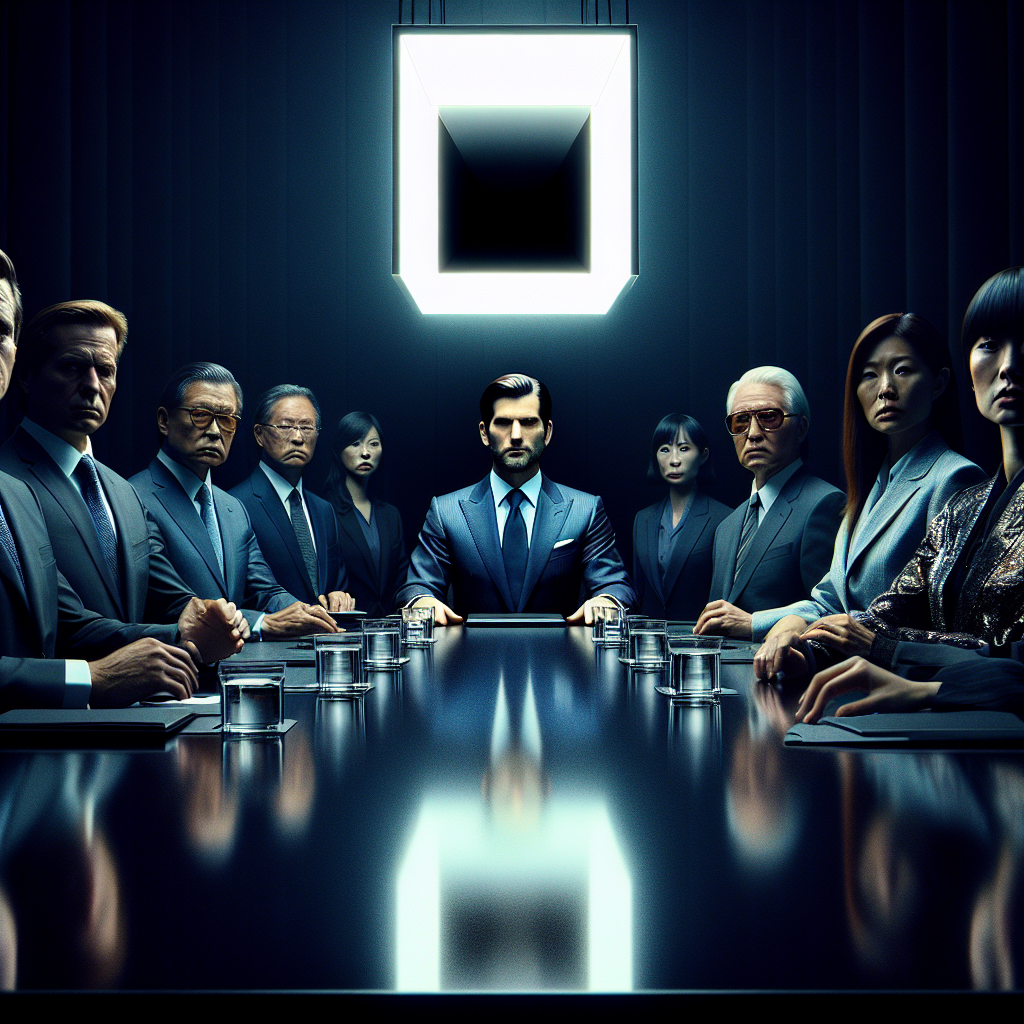
Opening Scene: A White House Upload, A Global Tug of War
The hum of fluorescent lights stirs in the West Wing, when, with a tap, the President’s comms team uploads the first-ever White House TikTok. Cheers flood the room—a digital icebreaker aimed at America’s elusive Gen Z. But as the confetti settles, a ripple pulses across the Pacific. In Beijing, that single TikTok post is more than content. It’s a shot fired in one of the 21st century’s strangest techno-cold wars: the fight for TikTok’s secret sauce—the algorithm that decides what the world dances to, laughs at, or debates[2].
Why This Algorithm Matters
At the heart of TikTok isn’t just viral dances or snappy politics—it’s a powerful engine, an algorithm trained on oceans of behavior, able to predict, nudge, and even steer what gets attention globally[3]. Washington calls it a “national security risk,” suspecting it could be used not only to harvest American data, but to subtly shape US opinions. Beijing, meanwhile, sees this formula as national treasure, guarded tighter than state secrets or fighter-jet blueprints[2][3].
And yet, in summer 2025, as US lawmakers demand ByteDance sell its prized app—algorithm and all—China slams on the brakes. “We will not sell the algorithm,” Beijing declares via state media, drawing a technological red line backed by hard law: export controls so strict, not even a billion-dollar deal can crack them[2].
Anatomy of a Black Box
Imagine the TikTok algorithm as a chef who knows not just your favorite meal, but every snack you might crave. It learns from each video you linger on, swipe past, or share. Each interaction feeds a digital brain, refining what you see next, sometimes better than you know yourself. This addictive brilliance made TikTok a global phenomenon, and likewise the very reason its ownership matters[3].
US officials argue that whoever holds this algorithm holds a subtle lever of mass influence. Their nightmare: a platform powerful enough to flood timelines with propaganda or to silently suppress dissent—at a scale old-school media censors only dreamed of[2][3].
The High-Stakes Poker: Tech, Law, and Geopolitics Collide
With more than 200 days since the Senate passed the TikTok sell-off law, and pressure mounting on ByteDance, negotiations turn theatrical. American lawmakers insist: no algorithm, no deal. Beijing fires back, pointing to its catalogue of “prohibited technologies”—algorithms included—and warns that no Chinese company can legally export the precious code. “Commerce must follow our laws,” ministry spokespeople repeat, brickwalling every workaround[2].
Inside D.C., analysts paint scenarios: If China holds tight, will TikTok be banned entirely? Will US operators be forced to rebuild, perhaps degrading the app into a shell of what made it essential? The debate outpaces the engineering.
Android Dreams: One Family’s TikTok Reality
In Los Angeles, fourteen-year-old Jasmine Lee is oblivious to the grand geo-political game. To her, TikTok is daily life—a place to bond with friends, swap memes, and find new music. But when the app faces possible shutdown, her mother worries: Will this hurt her daughter’s sense of community? Or will a US-run TikTok feel weird, drained, suddenly… uncool? Across millions of living rooms, families like the Lees discover just how entwined algorithms and personal routines have become.
Experts Weigh In
Dr. Maya Patel, a leading tech sociologist, explains: “It’s not just about spying. Algorithms are culture—gatekeepers and tastemakers. If you’ve ever wondered why a protest goes viral, or a song explodes from nowhere, that’s the algorithm at work.” She warns, “In some ways, this fight is less about technology, and more about who gets to write the playlist of our digital future.”
On the policy front, China points out Western double standards—highlighting American reliance on global platforms, and the US government’s own swing from criticizing TikTok to launching official White House posts on the very app they seek to control[2].
What Happened Next: Global Whiplash
With China’s algorithm export ban in firm effect, TikTok’s fate in America hangs in limbo. Some US companies race to engineer home-grown video algorithms, while global rivals eye the chaos, readying their own apps. Lawmakers grapple with the paradox: Banning TikTok may enrage young voters, but accepting the algorithm risks information sovereignty[2][3].
Meanwhile, international observers see echoes in India, Australia, and Europe. Trade deals and security alliances now routinely mention “algorithmic transparency” and “tech sovereignty.” A technology once invisible becomes the headline act everywhere from Davos to dinner tables[1].
What’s Next / Could It Happen Again?
As of now, China’s stand remains unyielding: the TikTok algorithm will not cross the border. The US faces hard questions—can it replicate the viral magic, or will young Americans jump to new digital playgrounds out of Washington’s reach? Looming in the background: every platform, every app, might soon become a new front in the world’s escalating algorithm wars.
As walls go up between digital domains, one question crackles over routers and newsfeeds alike: In the age of hidden code and instant virality, who truly gets to shape what we all see next?
FAQ
What is the TikTok algorithm export ban?
It’s a Chinese government policy prohibiting the export of core tech, such as short video recommendation algorithms, meaning ByteDance cannot legally sell the algorithm powering TikTok to foreign buyers.
Why does the US want control over TikTok’s algorithm?
American lawmakers argue that whoever controls TikTok’s code can influence US discourse and potentially use the platform for propaganda or surveillance purposes.
How does the TikTok algorithm work?
The algorithm uses deep learning to predict what videos users want to see next, analyzing millions of user actions to keep people engaged and returning to the app.
Can TikTok operate in the US without its Chinese algorithm?
Unlikely without a major downgrade. Experts say replicating the addictive, supremely tailored feed would take years—even for US tech giants.
Has any other country banned or copied this strategy?
India previously banned TikTok entirely, citing national security, spurring similar debates in Europe and Australia over algorithm controls.
Will other global tech platforms face similar bans?
Analysts expect more governments to scrutinize algorithms for foreign influence, meaning the era of global-scale platforms with single, secretive codebases may be ending.