
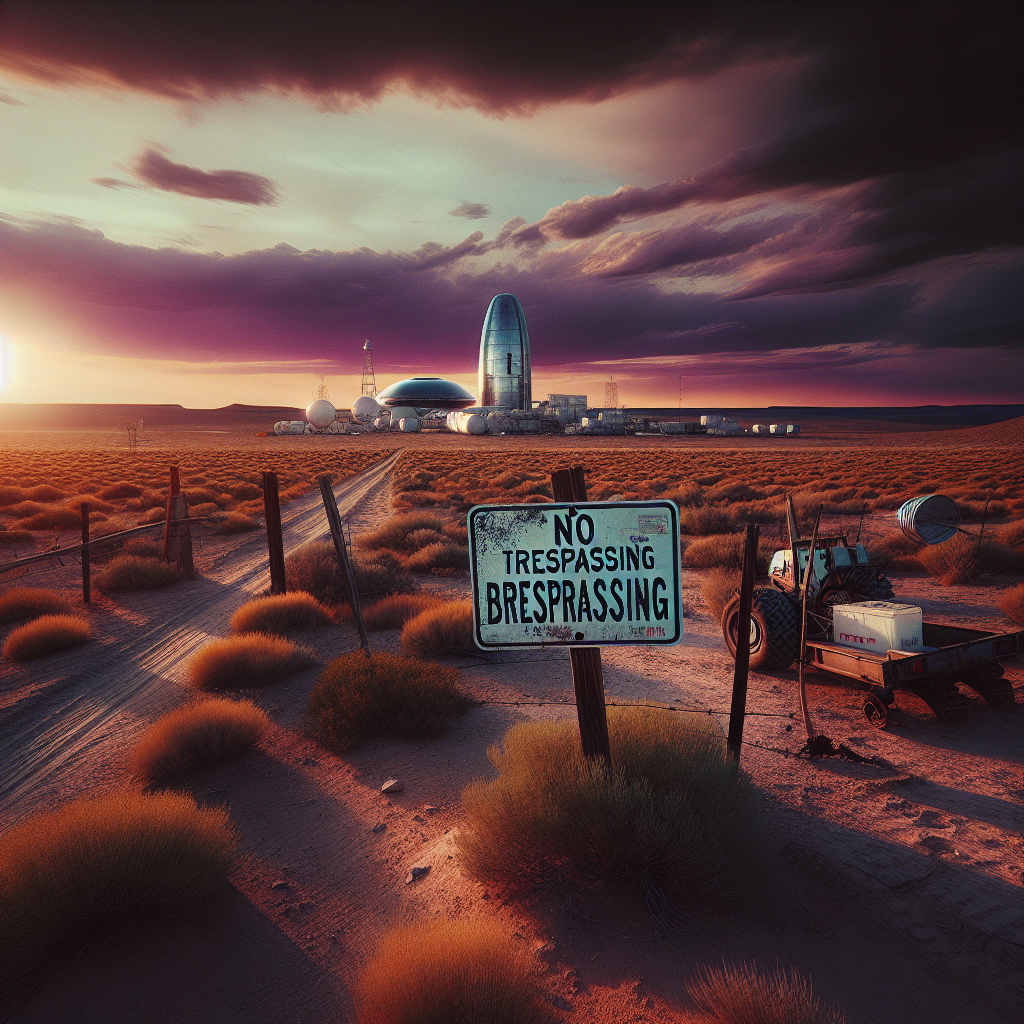
The fence was down. The land was trampled. And someone had been dumping construction materials across a small stretch of Texas borderland for over a year.
But this wasn’t just any piece of dirt. This was sacred ground—at least to the 150,000 people who’d each pitched in $15 back in 2017 to help Cards Against Humanity, the irreverent party game company, buy it. Their mission wasn’t profit. It was protest. They wanted to stop Donald Trump’s border wall by owning a piece of the very land it would cross, keeping it wild and untouched forever.
Then SpaceX rolled in.
The Quiet Invasion Nobody Noticed
Satellite imagery doesn’t lie. By late 2023, something was happening on parcel 173555 in Cameron County, Texas. Equipment appeared. Vehicles parked. Materials piled up. The natural scrubland that Cards Against Humanity had promised to preserve was becoming a construction staging ground[1].
For more than twelve months, activity continued on this narrow strip of land wedged between the Rio Grande River and SpaceX’s sprawling Starbase rocket complex. Nobody from Elon Musk’s aerospace giant asked permission. Nobody knocked on a door. They just… used it[1].
Cards Against Humanity noticed. And they weren’t laughing.
When Satire Meets Spaceflight
The lawsuit filed in September 2024 was as blunt as the game itself. Cards Against Humanity accused SpaceX of trespassing—not for days or weeks, but for over six months of documented occupation. Their complaint detailed how SpaceX had allegedly ignored “No Trespassing” signs and used the land as if it belonged to them[1].
But this wasn’t just about property rights. Cards Against Humanity told investigators that SpaceX’s presence created an unbearable perception problem: it looked like they were partnering with Musk. For a company whose brand thrives on mockery and countercultural rebellion, being accidentally associated with one of the world’s most polarizing billionaires felt like reputational poison[1].
The company’s statement cut deep: having their land used by Musk’s contractors was “offensive” and potentially “harmful to its reputation with its supporters”[1].
What This Really Means for Property Rights in Boomtowns
Cameron County, Texas isn’t normal real estate. It’s a patchwork quilt of ownership where SpaceX parcels sit next to mom-and-pop lots, where billion-dollar rocket dreams brush against family land that’s been held for generations. When one player dominates the region economically and politically, smaller landowners face an impossible question: how do you fight back when your neighbor is building humanity’s path to Mars?
Cards Against Humanity had an advantage most don’t: 150,000 supporters who’d invested emotionally in the cause. When they announced the lawsuit, they made a promise—if they won, every single original contributor would get an equal share of the settlement, up to one hundred dollars each[3].
It was David versus Goliath, except David was armed with crowdfunding and a wicked sense of humor.
The Settlement Nobody Saw Coming
By October 2025, it was over. SpaceX settled. During the legal process, the aerospace company admitted to trespassing—a rare public acknowledgment from an organization known for its aggressive expansion and Musk’s combative leadership style[2].
The settlement terms remain sealed, but Cards Against Humanity announced plans to restore the damaged land to its natural state. As a final twist of the knife, they promised supporters something money can’t buy: a special commemorative mini card pack featuring Elon Musk himself[2].
The message was clear. We won. And we’re never letting you forget it.
The Bigger Picture: When Disruptors Get Disrupted
This case represents something larger than property law. It’s about what happens when “move fast and break things” Silicon Valley culture crashes into the physical world—into land, borders, and communities that can’t be disrupted away.
SpaceX has transformed Brownsville, Texas, bringing jobs, infrastructure, and global attention. But growth has costs. Local residents have reported closed roads, noise, debris, and the slow transformation of their hometown into a corporate company town. When your neighbor can launch rockets, normal property disputes become asymmetric power struggles.
Cards Against Humanity proved that creative resistance still works. By turning their protest into performance art and their lawsuit into crowd participation, they forced one of the world’s most powerful companies to back down publicly.
What Happens Next: Could This Be a Blueprint?
Other landowners near Starbase are watching closely. If a card game company can hold SpaceX accountable, what stops farmers, ranchers, or conservation groups from doing the same? The settlement might embolden others who’ve felt powerless against industrial expansion.
Meanwhile, SpaceX continues building. Starship launches proceed. The company’s ambitions haven’t shrunk. But now there’s a precedent—and a warning. Even in the rush toward Mars, you still need permission to use someone else’s Earth.
The restored land will remain wild. The 150,000 supporters will get their cards. And somewhere in the Texas borderlands, a small patch of scrubland stands as proof that sometimes, the house doesn’t always win.
So here’s the question: When tech giants expand into physical space, should communities have veto power—or does progress require accepting collateral damage?
FAQ
What was the SpaceX Cards Against Humanity lawsuit about?
Cards Against Humanity sued SpaceX for trespassing on Texas borderland the game company had purchased in 2017 to protest Trump’s border wall, alleging SpaceX used the property without permission for construction staging.
Did SpaceX admit to trespassing on Cards Against Humanity land?
Yes, during the legal proceedings, SpaceX admitted to trespassing on the property before reaching a private settlement in October 2025.
How much did Cards Against Humanity pay for the Texas land?
The company crowdfunded $2.25 million from 150,000 supporters who each contributed $15 to purchase the borderland parcel in 2017.
What happens to Cards Against Humanity supporters after the SpaceX settlement?
The company plans to equally distribute settlement proceeds among original supporters (up to $100 each) and provide a commemorative card pack featuring Elon Musk.
Where is the disputed land between SpaceX and Cards Against Humanity located?
The property is parcel 173555 in Cameron County, Texas, located between SpaceX’s Starbase facility and the Rio Grande River on the US-Mexico border.