
A Night the App Changed Sides
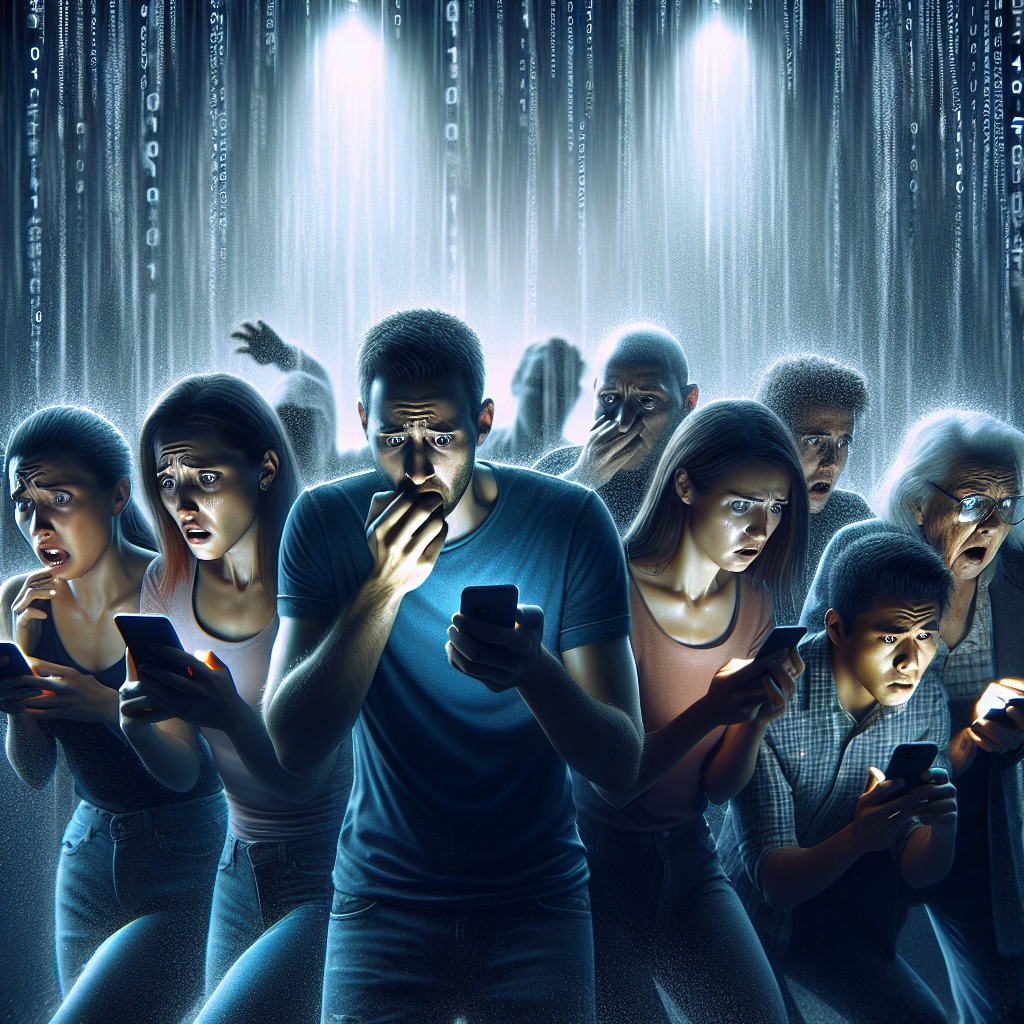
It was almost midnight on a Thursday when the lights went out for “Cancel the Hate,” the controversial app designed to “out” critics of conservative firebrand Charlie Kirk. As the site flickered offline, users’ personal data—meant to remain anonymous—leaked into the open like an unstoppable river[1][3]. For hundreds of would-be tipsters, the hunted suddenly became the exposed.
The Anatomy of a Modern-Day Purge
“Cancel the Hate” entered a polarized America already roaring after Kirk’s assassination at a Utah campus. The app, emerging just days after his killing, promised to “hold individuals accountable for their public words”[3]. The pitch: Users could submit tips—names, employers, and supposed offenses—on anyone suspected of criticizing or “celebrating” Kirk’s demise. The primary targets were not just social media loudmouths, but also doctors, public officials, educators, and influencers. Users were reassured that, while they reported others, their own identities would remain shielded by digital armor[3].
Instead, that shield proved paper thin.
The Leak Heard Around the Web
The flaw was as simple as it was catastrophic. A security researcher calling himself “BobDaHacker” discovered that users’ email addresses and phone numbers—the core of their anonymity—were being exposed even if they’d toggled every privacy setting imaginable[3]. By default, email addresses nestled into user bios; a minefield hidden in plain sight. Worse, exploiting the vulnerability let him not only access but even delete accounts at will[3].
SAN, a tech news outlet, replicated the breach and verified a sample of the 142 exposed users, confirming the chilling unveiling wasn’t just theoretical. Restless, one affected user described a flood of spam—donation requests that stank of a scam—and confessed a new fear: “Will the people I reported find out?”[3].
The Man Behind the Curtain
“Cancel the Hate” was the brainchild of activist Jason Sheppard, a man famous for selling fentanyl testing kits alongside right-wing celebrities and Covid skeptics[3]. In its short, fiery existence, the app reportedly racked up over 38,000 reports in just its first 30 hours[3]. Sheppard’s public pitch was steeped in the language of safety and exposure, arguing the tool would “better organize and focus on outing the folks that need to be outed.” Then, after days of backlash, all associated social accounts vanished. Sheppard, the company that built the app, and even the campaign’s critics fell silent—leaving a digital cold case behind.
Playing the Blame Game: How It Worked (and Didn’t)
At its heart, the app was a weaponized rumor mill, crowdsourcing accusations and broadcasting them to anyone who’d listen. It was predicated on the promise of verifiable accusations, requiring user submissions to include “verifiable information” about themselves[3]. But with the backdoor wide open, every would-be tipster was just as vulnerable as their targets. The technical failure wasn’t “hacking” in the Hollywood sense. It was a basic, avoidable oversight—a disastrous failure to secure user data, even as the app amplified calls for public scrutiny of others[1][3].
Through Their Eyes: A Personal Fallout
Picture Lisa, a nurse in a mid-sized Texas town. She downloaded “Cancel the Hate” out of curiosity after seeing colleagues targeted online. Then, in the space of an afternoon, her inbox started overflowing with malicious spam. Her information—meant to be private—became collateral damage. Suddenly, she wondered if turning the lens of transparency on others would boomerang right back. Trust, once shattered, remains almost impossible to rebuild.
Fallout and Reckoning
By the weekend, “Cancel the Hate” had gone dark, its fate uncertain. Public officials condemned the “dangerous precedent” set by digital outing platforms, raising concern about potential mob justice or real-world harm. Data privacy experts, like Professor Alan Tran of Berkeley, slammed the app as “a cautionary tale of rushed development and moral blindness.” Advocacy groups called for new regulations: “Apps that deputize citizens to surveil each other magnify social risks and erode civil liberties,” noted the Digital Rights Collective.
What’s Next? Could It Happen Again?
The “Cancel the Hate” debacle left the digital village in shock, but not necessarily in retreat. As platforms grow ever more powerful—and everyday users become agents of digital justice—questions on surveillance, privacy, and the ethics of public accountability spiral into uncharted waters. Regulators circle. Developers promise smarter safeguards. But the temptation to weaponize data, to “out” the other side, remains alive—and perhaps more dangerous than ever.
If the witch hunt can turn on its own hunters so quickly, are any of us truly safe in the age of crowdsourced policing?
FAQ
-
What was the “Cancel the Hate” app and why did it leak user data?
Cancel the Hate was designed to crowdsource anonymous reports on people who criticized Charlie Kirk[3]. Due to security flaws, users’ personal details like emails and phone numbers became accessible even if privacy settings were enabled[1][3]. -
How did the Cancel the Hate data breach happen?
A security oversight exposed sensitive user data in public bios and through a back-end vulnerability, making it possible to access and even delete user accounts without advanced hacking skills[3]. -
Who founded Cancel the Hate and what was their goal?
The app was founded by activist Jason Sheppard. Its goal, according to official statements, was “transparency”—to publicize perceived hate speech and hold critics accountable[3]. -
How did individuals and authorities react?
Privacy advocates and some officials sharply criticized the app, citing risks of harassment and mob justice. The site and related social accounts rapidly disappeared after the leak[3]. -
Could another app like this do the same damage?
Experts say yes. Without serious commitment to privacy and security, any platform weaponizing user-generated reports is vulnerable to similar breaches. -
What steps are recommended to protect against doxing or personal data leaks online?
Use strong privacy settings, minimize the personal information you share online, and rely on established platforms with robust security records.