
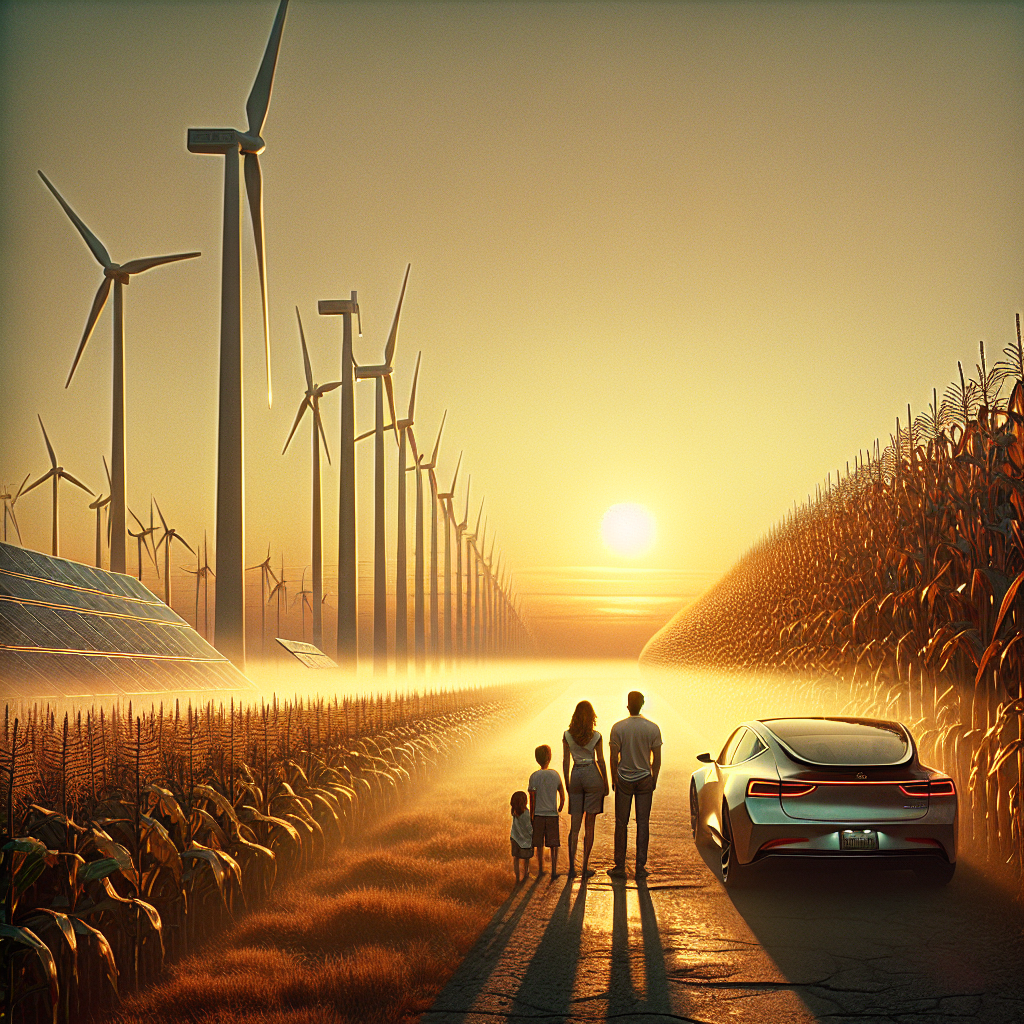
Picture this: it’s a sweltering August afternoon in Phoenix. Sarah, a busy mom of two, has just come home after picking up the kids and rushing through city traffic. As she plugs in her electric car, glancing at the rooftop solar panels glinting in the sun, her phone buzzes with a news alert: “U.S. will not approve new solar or wind power projects.” She freezes—what does this mean for her family, for their bills, for the planet?
Let’s rewind.
A Moment That Stopped the Nation
It’s August 2025. Former President Donald Trump stands before a crowd, voice booming, declaring that America will pull back approvals for all new solar and wind projects. The message, both resounding and controversial, ripples across dinner tables, news feeds, and social media—a single proclamation tossing America’s energy future into question.
If you think this is just politics, think again. Deciding which kinds of energy we develop shapes the air we breathe, the jobs we work, and the bills we pay.
Why Does Renewable Energy Matter to Ordinary People?
Imagine waking up one morning and learning your electricity comes mostly from fossil fuels—oil, coal, and gas. These have powered America for over a century, lighting up cities and fueling cars. But unlike sunlight or wind breezes, fossil fuels release pollution that hurts lungs and heats up the planet.
Now, imagine the opposite future: miles of solar panels shimmering in the desert, sleek wind turbines on green hills, quietly spinning out clean power, no smoke or chugging engines in sight. For most people, wind and solar have become more than just science projects—they’re hope on the horizon, promising cheaper bills, cleaner air, and maybe even a planet your grandkids can still recognize.
What Exactly Did Trump Say—and Why Does It Matter?
The announcement was simple but sweeping: no new federal approval for solar or wind projects. In everyday terms, this means big new solar farms or wind parks won’t get the green light from Washington anymore. Companies, workers, families—everyone is suddenly left in limbo.
For someone like Sarah, who spent extra to get rooftop solar, the news feels personal. Will incentives dry up? Will clean energy jobs in her city disappear? The sense of uncertainty fills millions of households.
Real-Life Ripples: The Impact on American Dreams
Let’s look at Jackson, a union electrician in Ohio. For years, he’s helped build giant wind farms—sometimes in snow, sometimes under blazing sun, always proud that his work powers homes without making the skies dirtier. These projects have given him steady paychecks and a sense of mission.
Now, with the stroke of a pen, those paychecks are threatened. If new wind and solar are stalled, Jackson faces layoffs, and companies shrink plans to hire apprentices. His story isn’t just one man’s struggle—it’s thousands who bet their future on the promise of green energy.
Fictional Vignette: The Last Farm at Sunrise
The Jones family’s farmland in Kansas has seen many springs. For generations, they grew corn and wheat—until last year, when a wind developer offered to lease part of their land. Their fields now host silent giants: wind turbines. Each month, the check from clean energy means Ethan Jones can keep the farm alive, his daughter can attend college, and their small town school stays open. But with the new policy, future checks might fade, and hope might, too.
How Might This Affect You?
You don’t have to be a policy wonk to feel the effects. Maybe you’ve thought of adding rooftop solar, or you dream your kids might work in jobs that help both pay the bills and heal the planet. Maybe your community relies on fossil fuel jobs—and you’re worried what any energy transition means for neighbors.
Regardless of where you stand, this policy is more than a headline—it’s tomorrow’s power bill, your next job offer, the air outside when you jog each morning.
What’s Next? The Fork in America’s Road
Will states ignore the new federal stance and push ahead with local clean energy? Will companies invest overseas instead? Or could this be a pause—a moment to debate, redesign, and possibly restart America’s march toward renewable power?
No matter where you live—city, suburb, or farm—the nation is at a crossroads, and every path leads to a different future.
The Conversation Begins: Your Turn
So, picture yourself at your kitchen table with loved ones, hearing the news. What future do you want—more clean energy, more traditional jobs, or something entirely new? Does this move make you feel hopeful, worried, or somewhere in between?
If you had the power to shape America’s energy future, what choices would you make—and why? Jump into the comments and tell us your vision.