
The Midnight Hour: When Silence Echoed at the Tower
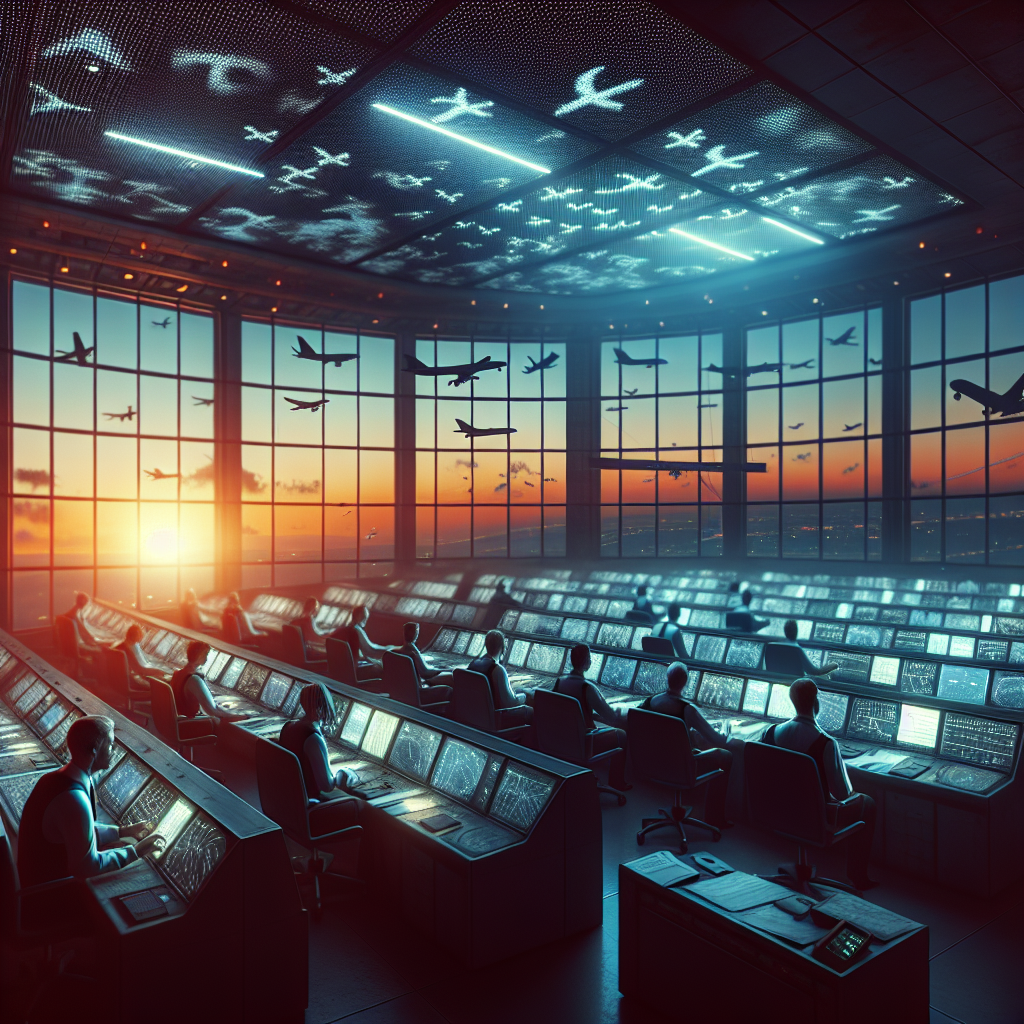
At 2:13 AM on a brisk October night, the air felt different at Phoenix Sky Harbor. ACT Specialist Juan Torres washed down a second coffee, surveying a sea of blinking radar in the hushed control room. Tonight, like so many before, Juan and thousands of colleagues were guiding jets over sleeping cities, but there was a chilling twist: not a single paycheck would arrive in their bank accounts tomorrow. On the screens, routes and altitudes were predictable. On the ground, chaos loomed[1].
The Hidden Backbone of Flight
America’s 14,000+ air traffic controllers are not just pilots’ eyes and ears—they’re the invisible pulse making the world’s busiest skies safe. From the moment a jet taxis to its gate to its final touchdown, controllers choreograph every movement—live, second by second—while countless distractions swirl and stress mounts. When the government shutters operations in a budget deadlock, these professionals aren’t sidelined. Instead, they’re ordered to their stations, silently enduring days—sometimes weeks—without pay[1].
Why This Moment Shakes America
The FAA’s 2025 shutdown plan was blunt: most aviation staff furloughed, but air traffic controllers expected to soldier on, uncompensated[1]. For the system to function, lives depend on their focus and composure. Each shift, they juggle crisscrossing flights through unpredictable weather, mechanical fires and human emergencies. But for families like Juan’s, anxieties are no longer abstract. Groceries, mortgages, medical bills—America’s promise of trust on the job has frayed.
“These men and women manage millions of lives with precision every day. Undermining their well-being is a risk the public can’t afford,” says Suzie Kim, aviation analyst at the Center for Transportation Resilience.
How the Shutdown Disrupted a Delicate Machine
A government shutdown isn’t just delayed salaries. It’s systemic upheaval:
- Furloughed Staff: Roughly 11,000 FAA employees sent home, crippling routine safety checks, training, and tech support[1].
- Controllers Overloaded: Skeleton crews work overtime, exhaustion mounting as gaps widen.
- Travel Chaos: Flight delays ripple outward—Phoenix, Atlanta, O’Hare all reporting multi-hour hold-ups as communication slows and stress peaks.
In plain terms: the shutdown puts more people at risk, stretching human limits in the one place failure is unthinkable.
Attack Vector: Human Fatigue in High-Tech Systems
Unlike hacks or mechanical failures, this disaster is uniquely human—sleep deprivation, financial strain, and anxiety sap vigilance. Air traffic software isn’t immune either; tech upgrades, maintenance and troubleshooting depend on staff now locked out. “The weakest link is always the human element,” says Dr. Raj Patel, professor of aviation safety. “No algorithm can compensate for worry and fatigue when every decision can save or jeopardize lives.”
A Personal Perspective: Living Between Flights
Imagine Juan Torres, two children at home, a wife counting coins for groceries, his own insomnia deepening each night. He doesn’t complain; pride in his role is built into every call he makes to pilots. But in the break room, stories circulate: a co-worker pawning his guitar, another postponing medical treatment. They’re not looking for medals—only for assurance their dedication matters.
Response and Ripple Effects: The Nation Watches
Outrage brewed quickly. Social media lit up with videos of crowded terminals and missed connections. Lawmakers sparred on cable news. The National Air Traffic Controllers Association (NATCA) released a stark memo: “Our professionals will not sacrifice safety, but cannot indefinitely endure unpaid labor. If pushed, the system will break.”
Airlines scrambled to reroute flights, issuing apologies but unable to shield travelers from mounting delays. Vacationers, business travelers, and truckers—all found themselves pawns in a game whose rules felt arbitrary.
What’s Next / Could It Happen Again?
As Congress haggles, aviation experts warn this may not be a one-off. Chronic underfunding, political brinkmanship, and short-term fixes threaten to repeat the crisis. Some propose automated backup networks; others, pay escrow or emergency relief funds for vital staff. But as of this moment, the answer remains unresolved.
Juan Torres will clock in again tomorrow, unseen and unpaid, orchestrating safe flight paths over America’s fractured faith. The next time you wait at a terminal or see jets etching lines above you, ask: how much longer can a system built on trust withstand shocks to its human soul?
Could modern aviation survive another shutdown—or have we pushed our luck too far?
FAQ
What is the impact of air traffic controllers working without pay?
When air traffic controllers are unpaid due to a government shutdown, stress rises, leading to fatigue and safety risks while flight delays increase as support staff are furloughed.
How does a government shutdown affect air travel?
Shutdowns can lead to flight delays, reduced safety inspections, slower communication, and higher risk of mistakes—all threatening passenger safety and industry operations.
What is the FAA shutdown plan for air traffic controllers?
The FAA requires controllers to work without pay while most other aviation staff are furloughed, putting additional pressure on those remaining[1].
Has this happened before?
Yes, past shutdowns have forced controllers to work unpaid, with widespread delays and warnings from industry groups about growing risks.
Are there solutions to protect air traffic controllers in the future?
Analysts suggest emergency funds, pay protection, or automating routine tasks to buffer against future shutdowns, but policies remain uncertain.
What do travelers need to know if a shutdown happens again?
Expect delays, prepare for schedule changes, and follow updates from airlines and the FAA for real-time information.