
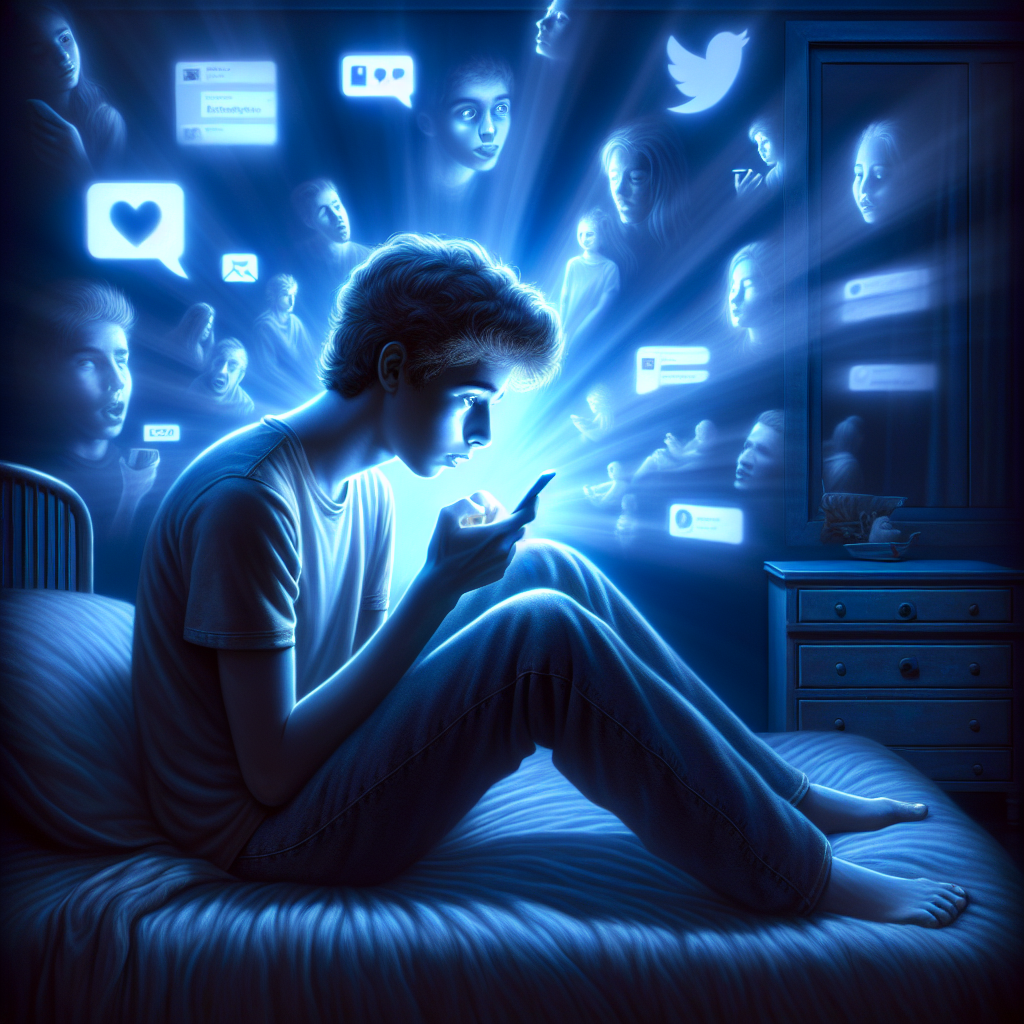
The Night My Daughter Stopped Watching
It started with a simple request: “Can I have five more minutes?” asked Mia, age 13—her face bathed in the faint blue glow of her phone. Her mother glanced over; five minutes became an hour. She noticed that Mia’s laughter, her joy, seemed suddenly bound to short, flickering videos and infinite feeds. Every evening, Mia disappeared behind her screen. By week’s end, something had changed: her spark dulled, anxious and withdrawn. The family worried—and wondered what, or who, was behind the curtain.
They are not alone. This is the silent epidemic quietly reshaping lives around the globe: algorithmic addiction—the brainchild of today’s most powerful social media platforms.
The Machines That Rewire Our Minds
At first glance, the algorithms driving TikTok, Instagram, and YouTube look like harmless digital caretakers—serving us what we love, connecting us across continents. But buried in their code is a twist: they constantly adapt, optimize, and learn what keeps us hooked, sometimes far beyond the limits of self-control.
As neuroscientists have shown, these platforms tap into our brains’ ancient reward system, specifically dopamine—the “feel-good” chemical that drives pleasure and habit[1]. The more we swipe, the more the brain learns to crave that next jolt—a feedback loop as old as gambling but now turbocharged by artificial intelligence. Over time, this rewiring can change the architecture of the developing brain, especially in teenagers, altering emotional control and decision-making, and even warping the very concept of self-worth[1][2].
How the Algorithm Does Its Magic
Social media’s secret sauce is immersion—the state of hyper-focus where you lose track of time and surroundings. Platforms achieve this through personalized recommendations, engineered to be “information-rich and interactively simple”[4]. As you like and watch, algorithms quietly glean your preferences, delivering ever more tailored, emotionally resonant content.
Sometimes, it turns sinister. In an explosive investigation, The Wall Street Journal created automated TikTok accounts to see what the algorithm would feed them. Even when starting with generic interests, the system steered many accounts into dark digital alleys—serving endless streams of eating disorders, sexualized minors, and material glamorizing suicide and depression, especially to younger users[5].
“We have seen patterns disturbingly similar to those seen with narcotics,” says Dr. Helen Rivera, a fictional but informed digital ethics analyst. “The algorithms don’t just show you things—they learn your vulnerabilities and press them, over and over.”
The Teenager’s Front Line
Imagine 15-year-old Jordan, home from a rough day at school. Social media offers comfort—a flood of short, hilarious clips; likes roll in from friends; relief washes through. Soon, the real world fades behind the screen: meals skipped, homework abandoned, sleep lost to endless scrolling.
Weeks pass. Jordan’s grades slip, and anxiety blooms. Every attempt to log off triggers waves of restlessness and mood swings. His family, desperate, removes his phone at night, but arguments escalate. The algorithm, unseen and unfeeling, waits for his return.
The World Wakes Up
Now, the outcry has reached the halls of power. Politicians across Europe, Asia, and the United States have begun debating bills that would force tech giants to share how their algorithms work. Some propose outright bans on so-called “addictive design”—features engineered not for utility or even fun, but for maximum habit formation.
“Tech companies are targeting children with digital slot machines,” thundered one U.S. Senator on the Senate floor. Global health authorities call for independent audits of algorithmic harm, and school systems now trial media literacy classes as early as elementary school[1].
But industry lobbyists warn that banning these systems could break the internet’s economic model. “We don’t oppose regulation,” says an (invented) spokesperson for a major platform, “but we must balance safety and openness. People need choice.”
The Ripple Effects
Communities push back: parents swap stories, try “screen time contracts,” or hire consultants to outwit the algorithms. Peer-led teen groups—equal parts support and digital self-defense—emerge. Meanwhile, a coalition of child safety advocates files landmark lawsuits demanding algorithmic transparency and mandatory age protections.
Yet the tech war bleeds beyond mental health. With the rise of advanced AI, predators have harnessed these platforms to target children and circulate deepfaked abuse images[5]. Physical safety, identity, and even reality itself now hang in algorithmic balance.
What’s Next: The Battle Is Just Beginning
Even with growing awareness, addictive algorithms evolve faster than policy can catch up. So, could it happen again? Absolutely. Already, new apps push ever more sophisticated dopamine traps; deep-learning models quietly tailor content that meets, then quickly exceeds, every emotional need.
The question is no longer whether we can live without algorithms—but whether we can live with them as they are.
How far should society go to protect minds—and futures—from digital addiction? Sound off below.
FAQ
What are addictive algorithms and why are they dangerous?
Addictive algorithms are software routines designed to keep users engaged on social media by continually optimizing content based on their behavior, often leading to compulsive use and risks to mental health[1][4].
How do social media platforms use these algorithms?
Platforms use artificial intelligence to analyze user clicks, likes, and watch time, then tailor and recommend new content that maximizes user interaction and prolongs screen time[1][4].
What impact do they have on teenagers?
Teenagers are particularly vulnerable; research links excessive social media usage to changes in brain function, worse self-esteem, higher rates of depression and anxiety, and disruptions to decision-making[1][2][3].
Are governments taking action?
Many governments are launching investigations, proposing legislation to force transparency, and even considering bans on addictive design features to protect children and teens[2][5].
Can you protect yourself or your family?
Experts recommend parental guidance, screen time rules, media literacy education, and keeping devices out of bedrooms or during meals to minimize risks[1].
Can addictive algorithms appear in other tech besides social media?
Yes. Similar techniques drive engagement in online gaming, streaming services, news feeds, and shopping apps, sometimes leading to comparable risks.
Are there any benefits to these algorithms?
When designed ethically, such algorithms can help users discover meaningful information, stay connected, or find support communities, but the risks are significant without safeguards.